Munificent Magnificence
James Tressler, 1944-2024
(a.k.a. Jim, Jilala, JET, von Jalopy)
JET left us nearly two years ago. It has taken that long to come to grips
with his loss. This page will answer the question that I have heard some
ask, "What was his significance?" A great deal, as it turns
out.
This is a revised version of the obituary I wrote
immediately after JET's passing in November 2024 and which
we sent to various libraries in the search of a home for
JET's archive. (See "JET at Stanford" for that story.)
James “JET” Tressler, an artist and influential figure in
San Francisco’s counterculture and free-theater movements,
died of natural causes in November 2024 at the age of 80.
This section of the Digger web will be a lasting memorial to
the legacy he has left all of us who knew and loved him.
Born in Miami in 1944, JET devoted much of his life to
radical art, communal living, and the Digger ideal of Free.
He was not simply a participant in the cultural upheavals of
the 1960s and 1970s; he helped shape new forms of theater
rooted in communal life and offered freely to the public.
Through his work with the Diggers, the Kaliflower Commune,
the Angels of Light, and the No Penny Opera soup kitchens,
JET found his own way of bringing together theater, food,
political conviction, and community.
JET’s artistic and
political awakening came at a time when many of his
generation were turning against the Vietnam War and
questioning conventional American values. In 1966, he joined
the Diggers in San Francisco, who were working to create a
Free City of communal families based on mutual aid. JET
helped cook the famous Digger stew served every day in the
Panhandle. Those communal meals became a lasting part of his
life. The Digger meaning of Free—“no buying, no
selling”—became a principle he carried into nearly
everything he did afterward.
At the Kaliflower Commune,
JET worked with Ralph Sauer and George Harris, known as
Hibiscus, within the communal world established by Irving
Rosenthal. Together they explored a form of theatrical
self-presentation that came to be known as genderfuck.
Hibiscus went on to found the Cockettes, a flamboyant
theater troupe that combined drag, surrealism, and
countercultural rebellion. Their performances brought queer
identity and gender play into public view with humor,
spectacle, and a refusal to apologize. In doing so, they
became part of the larger movement toward gay liberation and
greater queer visibility.
Even as the Cockettes became
well known, Hibiscus continued to imagine a free theater
called the Angels of Light. JET’s criticism of paid
performances helped persuade Hibiscus to leave the Cockettes
and pursue that original idea: a troupe committed entirely
to free theater. Following the Digger tradition, the Angels
of Light served free vegetarian feasts to their audiences.
As JET later wrote, “The theatre that grew out of our
communal life embodied our dreams, our fantasies and wishes.
We were so moved by the Cockettes’ joie de vivre that we
wanted our own version, our own leap for the aesthetic brass
ring.” The Angels of Light were both a theater company and
an experiment in communal life—a chosen family whose members
understood art as something to be shared rather than sold.
JET’s commitment to communal meals continued long after the
Angels of Light disbanded. He was a gifted and dedicated
cook, and with Ralph Sauer he produced weekly free vegan
meals at Hamilton Methodist Church and later at CELLspace in
San Francisco. In the 1998 film Les Diggers de San
Francisco, JET was interviewed at one of the No Penny Opera
free dinners. Dressed in high drag with his face painted, he
spoke about the Diggers’ original vision—a vision that,
through those meals, was still being put into practice.
In
his later years, JET worked to preserve the history of the
Angels of Light. His films include the 1972 Kaliflower
Intercommunal Carnival, at which the Angels performed
“Peking on Acid,” as well as the 1973 performances of “Deep
Frieze” and “Comets You Are.” The films capture some of the
strange beauty, humor, and theatrical freedom the Angels
brought to the stage. JET preserved them so that people who
had never seen the troupe perform could still encounter its
work and perhaps find something useful in its radical
spirit. His film archive is now preserved in Stanford
University Libraries’ Special Collections, where it will
remain available to future generations.
JET was also a
prolific visual artist. Working under the name Jilala, he
created what Irving Rosenthal called “psychomagnetic wave
drawings” for the Kaliflower newspaper and the Free Print
Shop, designed elaborate sets for the Angels of Light and
his own films, and produced a large body of oil paintings,
many featuring homoerotic imagery. JET’s paintings, which
could not be accommodated by Stanford’s Special Collections,
will be exhibited here as part of this memorial.
JET lived
according to his belief in art, community, and defiance. He
challenged convention, made a life outside the mainstream,
and remained faithful to the ethic expressed in the words,
“This is the moment, this is the dream.” JET lived that
moment and pursued that dream, leaving behind films,
paintings, performances, shared meals, and a community
shaped by his imagination and generosity. He is survived by
his chosen family, collaborators, and admirers, who are
honoring his life in San Francisco with theatrical tributes and
communal feasts. It is a fitting farewell for someone who
spent his life bringing people together through food,
theater, freedom, and a generous measure of glitter.
Kaliflower page with JET's incantation: "The invisible invocation
of transcendental powers can only become visible on a Freeeeeee stage !!! All
else is pulling dead rabbits out of hats"
Facsimile of a manifesto JET posted on a wall in the Cockettes commune in 1970,
precipitating the troupe’s split over free versus paid theater and giving birth to the first Angels of Light performances.
JET's Psychomagnetic Wave Drawings
JET discovered his artistic bent in the Sutter Street
Commune where he designed the first posters for the Free
Print Shop and then the first pages of Kaliflower. Writing
in the Tenth Anniversary issue of that publication, Irving
Rosenthal wrote the following:
After Geoff Smith joined
the commune, Mutty introduced me to Jim [JET], a man who had read and liked Mutty’s copy of
Sheeper. He was one of the tallest, strangest, and strongest
creatures I had ever laid eyes on. He was eager to move in.
From the very beginning he was my right hand man in coping
with the frequent crises which erupted in those early
fermenting days. … He was also like an interior decorator
gone mad. Every other day he would completely rearrange a
room’s furniture, rugs, fans, screens, lamps, drapes, and
light bulbs — so you would walk into a room and think you
had made the wrong turn. He often wore lipstick, fingernail
polish, or huge clip earrings — mind you this was in the
pre-genderfuck days — and all these hippy cowboy and Hells
Angel types would drop by — and this immense exotic creature
like Punjab in Orphan Annie — but with an Afro and wearing
lipstick — would come in with a tray full of coffee cups.
Jim designed our first Free Print Shop posters and later
projected our deepest and softest dreams into Kaliflower by
means of his psychomagnetic wave drawings. He was the first
commune member to learn how to make bread.
— from: “Back in 1966, I was living on the Lower East Side …” by
Irving Rosenthal, Kaliflower N.S. 2, November 30, 1977.
This section will present a selection of the dozens
of JET's early drawings, which were
more than intricate designs. They contained messages,
visions, of the new communal society that was being born.
A full six-panel page from Kaliflower v3/n39. Individual
panels reproduced below.
Twelve panels printed in Kaliflower, JET's treatise
on free theater:
All these Free Print Shop posters and pages from Kaliflower were
designed by JET.
Announcement of the opening of the Free Print Shop, August 1968.
The poster for the Angels of Light performance at Grace Cathedral for
Christmas Eve Mass, 1970.
These two sheets (above, below) were sewn together to form a virtual
kitchen show. Announcement of the Angels of Light show "Deep Frieze."
Announcement of the Scott Street Commune's free store, 1971.
JET's Paintings: Homoerotic Myth
Joseph curated this section, selecting twenty of the 60+ oil paintings that JET had in his apartment when he died. Joseph unwrapped the canvases
and flattened them to make a photographic archive of JET's paintings.
In 1971, JET acquired a Super 8 film camera. Over the next two decades,
he would use it to document the Free Theatre that he had conjured in the
pages of Kaliflower. Bill Weber and David Weissman first used some of
JET's footage for their film The Cockettes. In 2021 and 2025, we organized funding drives to
digitize JET's amazing collection of films. After JET died, one of the requirements
for a library where we were to donate JET's papers was that they take and preserve
his films. Stanford was that library.
The first film here is the only one for which JET specified the footage and soundtrack he wanted for a definitive film on the Angels. The remaining videos that are listed document particular moments and performances.
The Angels of Light, film by Jilala JET von Jalopy
Some of the dozens of film canisters JET used after editing the Super 8
film reels he created of Angels of Light Free Theatre performances and
scenes of communal life.
JET's History of the Angels of Light
JET's 'mythopoetic communal memory rendered as queer baroque scripture'
JET’s essay on the Angels of Light is less a chronological account
than a work of mythopoetic remembrance — a self-consciously baroque
meditation that transforms communal theatre into cosmology. Written in
an incantatory style that blends Beat prophecy, queer theatricality, and
religious symbolism, the piece converts lived experience into archetype:
performers become angels, productions become rituals, and the principle
of “free” emerges as a condition of artistic and spiritual power rather
than mere economics. Names surface without orientation and events unfold
outside linear time, reminding the reader that this is memory operating
as theatre rather than documentary history. Yet precisely in its excess
the essay reveals the internal world of the Angels — their aesthetic
philosophy, gender radicalism, devotion to beauty fashioned from
throwaway materials, and the emotional aftertone of a collective that
understood itself as both revelation and ephemeron. Read as primary
testimony rather than narrative record, JET’s text stands as a rare
movement self-scripture, illuminating not only what the Angels of Light
did, but how they imagined the transformative possibilities of
performance itself.
The ANGELS OF LIGHT
illuminated
February 28, 1978
condensed
revised October 1989
San Francisco Free Press 1990
For all my Fallen Angels
BEFORE the FIRST
SHOW:
Once upon a stage great billowing black
plastic banners were put up, written in white paint, the 'ancient names' of
the angels of JHVH and even darker minions, those bowing to RA and bearing
cats they came into being — a raffish horde of holies children of atomics we
sprang forth a spray of dust and aquamarine sequins we came into being from a
flash of moonlight caught in a facet of an Eisenberg brooch.
The Haight Street Commune was known wistfully as the "chateau" as it was
smack dab in the blue roar of the intersection and marauding junkies we
believed ourselves to be glamourous denizens of a city bereft of smoky
and veiled beauty, the glaze we wished to pull over audiences' eyes came
from real life we wore black and kohled our eyes, and the nervier of us
shaved our brows, the ultimate initiation into the shamanhood we Drag
Kings were being led into by our rhinestone talismen. When you shave
your brows you lose your sex and become Venusian instantly as you cloak
your true birthplace with new brows, ones that are permanently wrinkled
with the tilt of surprise, going into welfare psychiatrists and for a
very free performance receive your scholarship to study magic under the
best in the West.
And so it came to pass that the Cockettes were going to do a show called
PEARLS OVER SHANGHAI at the Berk Community Theatre but as it was coupled
with Captain Beefheart, and as he backed out because at a press
conference party at which I attended someone asked to eat out his ass.
Well Beefy flipped and the Cockettes were out an auditorium and evryone
was over-rehearsed and all the sets and costumes were all ready to burst
so with a little wand waving we just hit the streets, heading for
Chinatown (naturally) and all of us in High' Drag floating down Grant
Avenue unannounced, having arrived unbeknownst to the Cockettes were the
Angels for there born on a cool evening in American China was the nest
for these heavenly hybrids, we sang and cavorted around and then
Scrumbly's Pinkerton appeared to Sylvester's Butterfly, and there
hatched our revolution.
We were acid babies whose acid visions were being turned into stale
rehash of the 30's musical so apart from the decision for some to go
free, aesthetics was the major consideration. We wanted to go wild. We
wanted Pan, not Carmen Miranda. We wanted to change the course of stars
with our rare dances, we wanted to free Loie Fuller into the 70's and
make Art really Nouveau. We wanted to become a native Noh, a form to
express the dark beauties of witchy wonder I warlock wish for words to
remember what whirled us together, what constellation fell into place so
that our suns and moons would appear on stage simultaneously.
When ARTHUR moved in, I put the words IO PAN above his door in the
chateau, and I do not practice, but believe, because he is the one whose
hooves inspired our early beauty for his manly thrust was animal and
noneother. How jealous I was when another, lesser I thought, swooped
him. IO PAN!
The chronology of the events which lead to today are as jumbled in my
mind as the acts of those crazy plays. In my mind I see actors entering
and exiting our front door, suicidal clowns, drugged mimes, and wierd
combinations of the sexes too intricate to describe. Insane hippies came
to us believing us to be real angels, real interceptors between man and
God. We were baffled by our appeal, the mad way we rearranged our
personalities daily with cloth and glitter, seemed to them the
manifestation of the hundred-faced Vishnu and in truth our faces were a
hundred fold and our dress was the very sky lifted in the morning to
show our love to strangers with a Dawn — we were imps, fairies, sprites,
satyrs, and our Satyricon was in chapters enacted only on full moons
when we herbal actors planted seeds of enlightenment in the brains of
thousands. Our meals were divided among the vegetarians and the ones
who, insensate, ate raw flesh and threw it from the stage one terrible
Halloween, the meat eaters continued to do pay shows after the schism
and the vegetarians went Free, never signing their work again, a
collective signature was sufficient praise and connection how anonymous
this God of Glitter, who only shines.
My room became a set, a perfect, ever shifting array of a hundred
textures, scraps and bits of the garbage, throwaways, thrift store
bargains and thefted things, most prized as they were acquired at the
risk of reputation and freedom. Some say my rooms are glittering traps
to dazzle and so hypnotize unwary youth and then drawing them bedward
while they are in the spell of color and sweeping design, — but no, I
rarely found physical love, — but tried to transmit that if you squint
at the set it would transform into Scherazade's Story Chamber, pillared
and hung with silk, those flags and banners that were my wings whose
breadth never found its way into my camera's eye, never its promise
fulfilled. Opium genius of calm seas of art too splendid for film, but
is the food of dreams. The Divine Protein.
NATIVITY
I remember especially well one night, Christmas Eve, to be exact, when
by cosmic command performance we put together a pageant to be shown on
the steps of Grace Cathedral at Midnight Mass. High blown dream to crash
the establishment's moment of transubstantiation with a living host of
angels, played by our own children, with Leonce, our physician, as true
shepherd and Hibiscus on mescalin was Mary to Cuban Miguel's swarthy
Joseph, erotic Triangle in heaven brought to earth as surely as meteors
fall from God's Burning joints, JA! I came as the Star, six points of
long fiberglass 'angel hair', dangerously beautiful with glued-on stars
for this tawdry Bethelehem by the Bay. A Policeman came up to me and
asked if I thought I were Jesus but the REAL fireworks started when
Tahara brought incense burning in an abalone shell, up to the High
Altar, — well, the Priest freaked! and called the cops and promptly
shooed us away after we sang a few traditional carols but always I will
remember that cold clear night, and Hibiscus, his face reddened by the
drug, flush with divine connection. He knew he was the Bride of Heaven
as surely as any Mary and that in giving his Genius freely was the
Christ made manifest in acts of goodness, mitzvahs that will long live,
wafting as if feathers in interstellar space.
That evening we all walked home, through North Beach, winding our ways
back to the Haight, but as we walked and sang those moldy hymns,
Scrumbly who had been one of the Kings that night and who, in the
Cockettes, was King, spoke to me, King of Rags, about "free'' and how he
knew it was only right that these arcane regions of the mind from which
we were drawing our art could only go free as any witch will make a brew
for love for free because otherwise the brew is powerless.
It was Sunset Boulevard, it was the Folies Bergere! It was Heartbreak
Hotel, Emerald City — it was a dark room with candles in circles strange
lettering in old books, but how lacking in essential evil it all was,
how like a theatrical presentation of murky evil — all our whores were
saints. Christ protected whores above all because they were the metaphor
on earth for his Law of Love. Who among you · will cast the first
sequin?
That show at Grace Cathedral caused cardboard haloes to be made, all
blue and silver each as coordinated as a Dutch dish the wings had
thousands of chicken feathers glued onto wire and paper. We were the
Right Brothers, a ragtag chorus as multipliedly married as any Mormon
and more Catholic than any Catholic. We were the vanguard of a new loose
mentality, where to change sex roles was easier than sneezing, and less
a sign of illness but the root and cause of joy. That show was one of
the few I actually appeared in. My spiritual Iwo Jima.
Before the Chateau became Angel House, much dust was raised and voices
grew shrill as magically by force of decision a split occured dividing
the ones who felt it an imperative to be free and never to bind
themselves in Mephistophelan contracts, blood is always spilled that
which angels mix with their makeup, how natural we look as fantastic
creatures because then we are ourselves as if in reverse. We have
stripped away our earthly camoflague, revealing tendrils and
protuberances, scarves of skin folding into itself a spectrum and how
ground-up prisms made our lipsticks in those first shows. We dabbled and
we diddled, we drank and we smoked and ate too much but in the hallways
were the sets, the refrigerator boxes whittled down into Chinese cities
or vistas of seasons changing, forests and endless cabaret backgrounds
of palms, alternately silver or gold, and some with crepe paper
shredded, endless evocations of Stork Clubs gone mad and racy. Dark
lover in the 8th row, did you applaud at us when were three Lola-Lolas,
three hoopskirted madmen with their pianolas in full view of man and
God.
Rodney fled from Hunce to our basement, an illegal act, for after he and
Hibiscus fucked there, the landlord appeared with the police, tearing
down Rodney's instant decor of silks and veils. How tragic and
theatrical for so great a Queen to be manhandled by the gendarmes Piaf
in Paris, addicted to beauty and beauty alone.
Haight Street Commune is become so enlarged in memory, a haven after the
Cockettes fled, so many came to us — Marquel, strangest of Shiva's
devotees, was there too, squestered in her lair, posing in front of the
mirror, crying, making magic. She, shall we say, practiced. In a
Cockette show she played a man, and bought a very costly, humanhair
moustache. Reminding me of Johnny Dancer (AKA Java JET, Bambi) bought a
bevy of expensive orchids for a show when we didn't have money for food.
It was important that our Art Rises Up from baser materials as Roses
bloom from shit.,
We were priests of puzzles, the jigsaw of earth's throwaways flew
together as if Wizards were making electrical casts to force the pieces
to fit, to make complete these shredded images which fill our mind and
set forth the illuminated record. Feathers must be gathered at closed
zoos, in the dark of night, you go up to the pheasant cage and make
fox-sounds — the ensuing panic will provide you with enough plumage for
a score of Gibson Girls. In my mind is a forest of memories, the cones
are sticking in my ears — I am resinous with promise of untold tales.
FALLING AWAY FROM EARTH
Pride wrecked Satan's fun and others who imagined themselves as the
source of power, for we knew in those early days that great buildings
downtown into Golems and Leviathans and we were shuddering in our
prophetic wisdom and so Ralph, Master of Wok, the Walk and Wiggle was
surely Boas to my Jakim — Pillars to a cardboard Temple he cooked a
decade of banquets for genius to be properly fortified and not
pernicious anemia sadly mistaken in some quarters as inspiration. He
pined, he panned, he Pan to my Devil in this Faustian operetta Vivian
Vance as Buddha I worship his talent to amuse, bemuse, confuse how his
scarred from suicide attempts arms infused true primal magick forms,
great Pampas as proper plumage for the True King of this bedraggled
thirteenth tribe.
He now has his toe and each finger in a different color pot of free and
not-so theatre and he has a book of splendid designs, but back back in
the early days he tambourined his way through bars and hearts. He made
potatoe-print patterned sheet-robes for his Chieftain costume, made
necklaces from found objects, poked holes through shells for to have
that Tiffany-Natura-ethnica elegance even though we lived in poverty.
His mode is will be, Platonic, Romanic, those simple bands of perfect
Grecian form, shank of bull or He-Goat among us, born with a vestigial
Horn in his forehead and with him are we not in Arcadia Again, and we
his delighted nymphs? Keep well-fed or will bite.
He and Tahara and Hibiscus formed such an Electric Triangle of Camp,
their key to survival amidst the 'suits ' or worse yet, Serious Hippies.
Our humour was born of a form of religious hysteria, chassidic queens or
medieval nuns, earthquaked and its Goose Cooked our audiences knew they
were witnessing the Local Shamans on a night out.
PHANTOMS and PUSSYCATS
Histories, diaries and letters do not exist to attest to my words but
filmic record does exist showing brief flashes of very special
presences. Do channellers form theatres? We did.
Those painted faces, puttied noses, grin out of the film's frame,
midnight madnesses, rehearsed and dysfunctional mayhem, circus of MGM
gone to heaven, tip and tap toeing up staircases — once, Beaver, in the
'Greek Show ' fell from our Mt. Olympus, rather pickled, down, down,
bruised but On with the Show, one of the best, for sheer innocence,
Rodney as Apollo, Ralph as Zeusie, Ruby as Narcissus (his blond
frailness wrapped in pink taffeta before a mirror made of tacky aluminum
foil. Hibiscus was Isadildo in this show, the mirror of his life, this
role, and even went so far as to have a school of dancers on stage
called the Isadorables.
One night, Christmas Eve at the Poet's Theatre, after the show I made a
film of the weary players and myself, in some of my most lush and
natural footage of falling tinsel phantoms, spirits, a pageant of faces
go through an Occult Arch. There is a scene with Harlow with a candle
between her fingers, lit, like witches of old, here on celluloid, and in
color, and in the scene where I fall dead in Hibiscus ' arms, like
Tinkerbelle dissappearing because noone believed in her anymore, after
all Hibiscus had betrayed 'free' for mayonnaise commercials and bit
parts on the LOVE OF LIFE, driving me crazy, as I had deluded myself
into believing that this airy creature would be the vehicle for my dream
of free theatre, even once I tore his room to shreds, hung as it was
with a jungle of branches, dried roses beyond number, rescued from
florist's dumpsters on Polk Street at midnight, or later. There were
torn sequinned gowns everywhere Vaseline jars crusted with· glitter,
sequins, and a streak of white greasepaint, always marvelous as it also
dissolved the eyepiece on my camera. Revlon spells disaster.
Grove Street provided one of our our most picturesque settings, a
Brecthian warehouse, rickety stage, free from censorship here some of
the bawdier material was 'performed' — blow-job contests and lovers
really fucking backstage was not uncommon. This night Allen Ginsberg
appeared as a Yogi Yenta. My dress. Big cut-out six-pointed stars all
over. I sang HIGH AND MIGHTY but this my Gesthemene as were betrayed by
our benefactors who said they were making a free film but actually
'tricked' us by selling the film down the river, calling it TRICKS and
putting it in arthouses on two coasts.
Burlesque is a Gift. Naked Valentine we paused at the ends of acts
soaking in applause, pleasure received. Bozo in the court of Kings.
When Von Sternberg launched his crazy cabaret in his BLUE ANGEL he also
locked us all into an impervious spell, one where rings of fat fraus in
tutus with a sun metronomically flashing light, drawing us into
recreating those gauzy, somewhat sleazy clubs where wretchedly sad
clowns pause for a mie in a dressing room, leaving shortly and slowly,
the eternals of carny life, wooden painted wagons pulled by mares to
Valencia Street, oblong studios, gypsy enclaves, — during the illegal
war in Indochina we did PEKING ON ACID, our watershed performance as it
came after Hibiscus left to seek fame so a new egalitarian mood with no
central Star — each was encouraged to go hog-wild, creatively speaking.
Tahara was the gilt Stowkowski conducting a quasi-Gamalan with Rodney in
his first true Dance, as a Lion (naturally) that became, by act of will
and magic, a Butterfly before our eyes. There was a seed-sowing dance,
performed nude from the waistup in that baseball-diamond-stage — Mary as
a chorusline Ceres, giver and taker of the Seed. Kaliflower's Stevie
made our magical towering wooden clogs for Johnny's Love Dance, after
which he too, changes into some kind of black dragonfly, hung by wires,
spinning in place.
There is a certain period of our history when we were known for smeared
make-up, or as Martin put it, "that falling apart look'' but actually it
was just a rare few, who even BEFORE the show had packed on layers of
faces, the look of a peeling egg-fresco in flooded Florence was Adrian's
face, alcoholic saint of Potomac Street in his nervous ceremonies,
mascara and red circles were cheeks once were. Venus was the pastiest
Geisha of all. Brian and Paul Darling, all prehistoric in shredded
nylons. The procession of the red Dragon, crazy train we made, snaking
around the audience.
Sometimes, in my most paranoic moments I feel like Pandora having opened
an uncloseable box or like Crowley having summoned up a Devil he can't
stuff back into Hell but it passes and slowly I come to terms to what
happened, all the classes, all the 'theatre-training' and tap classes,
how everyone grew up around me, as I stayed small, hoping to hold onto
innocence forever. At a certain point, loving noone less, I stopped
going to the shows under the Angel 'name' as I hoped to discover other
pleasures as profound as those Early Shows, for me a religion, an
elegant chaos of the soul, a sweet dance dreamed up on the spot. A new
song.
By James “Jet” Tressler · White Crane, Fall 2008, no. 78, p. 22
JET reflects on the communal life, free theatre and visionary ambition of the Angels. Read the original magazine scan (PDF). Wording is retained from the source; typography and paragraph layout have been adapted for the web. Image captions are editorial.
In any culture there are aesthetic secrets, evidences of what seems to pass as an alien or spiritual event. We cannot explain these always and sometimes refer to inspiration or actual religious experience to communicate to subsequent generations what happened. We, the first whole generation fueled by Lysergic Acid and magic mushrooms, began to transform our every aspect, clothing, food, literature, music and clearly, theatre into tenets of a new religion, invented by us for us.
Spawned in the sixties, we ate neck-soup out of tin-cans in the Panhandle prepared by the Diggers; were clothed in their Free Stores, fed on the manna of their ideas, that gloriously, we could exist without cash, sharing our treasures with everyone. Not signing our egoless masterpieces was a start. The early Plato’s of San Francisco in the late 60’s, imagining a Free City, created the template we were following - heavenly and practical solutions for Earth’s final day.
The theatre that grew out of our communal life embodied our dreams, our fantasies and wishes. We were so moved by the Cockette’s joie de vivre that we wanted our own version, our own leap for the aesthetic brass ring. From the onset we were virtually script-less – big, scrawled pieces of white paper with the acts written down, the borders all floral and butterflies and palm trees, Hibiscus’ signature drawings. We have survived all these decades since it happened as a supremely well-kept secret of the Bay Area - like certain secret films that exist in dusty vaults, unseen even though their existence might be powerful medicine for new generations. We keep secrets because we’re afraid the Philistines will crush us with their facile criticisms, so easy to hide our love away.
In the beginning The Angels of Light was an anarchist experiment, to see if a gaggle of young, disparate artists could coalesce, and make obvious magic in public places. The war in Asia was raging but our theatre reflected none of the tumult of the times – we were free to go to Arcady, to sail up our own personal Ganges, unafraid to combine ideas and bodies with a generous dollop of glitter. In the beginning we dressed for every party, every venture out was a chance to wear something gorgeous or shocking. To consolidate our urge-to-costume we found the stage a home for our highest dreams, a place to manifest what we wished - Hibiscus as a delirious peacock or Rodney as a hybrid butterfly-cum-lion or Beav as a rainbow Poodle – we had no interest in the psycho-babble practiced by the bulk of the American Theatre, those grim O’Neill alcoholic epics or Shepherd’s dysfunctional families were out of bounds - we just wanted the fantastic or nothing. No clever convoluted scripts for us - Ionesco and Beckett had already given us the go-ahead to create a new form. The archives exist to show for subsequent generations the proof of our colloidal excellence, our jelly-like genius, held in the group’s hands, this 1970 Hippie Theatre was as powerful in its majesty as any Renaissance Theatre - we turned garbage and rags into regal attire - cardboard sets, some designed by the brilliant Martin Wong, exalted us - brought the dreamy locations for us to dance in front of - a time machine – all the product of a communal existence, our home for 20 became a home for 30...meals were vast steaming vegetarian entrees - a rehearsal room lined with mirrors with a wall-sized Shiva looking down on us always benevolent.
It is my hope that our well-kept secret, that the grandest free theatre in the world existed in San Francisco in the early 1970’s, it arrived, opened up its peacock-array for a few precious years, not just to affirm divinity once and for all, but to ascertain that our utopian dreams had become actual. We were at our best when working harmoniously together, almost trance-like, we knew our instincts were sound - we couldn’t know that forty years later Cirque d’ Soleil would take our formula and make millions. Beach Blanket Babylon robbed us outright. In our naïveté and innocence, we thought we lived in a glittered continuum that would never end – but end it did, playwrights emerged trying to tame our wildest free theatre into just another generic regional theatre, a sad, almost doomed exercise, unwatchable by the earlier cast members.
A film of those early shows, and why they happened, will be a light of hope for every disenfranchised art-kid yet born. To do the holy work and have some manic fun doing it gives flesh and passion to the spirit, making the un-seeable seen. We were psychedelic in all ways - this was our religion and these, our ceremonies, unicorn lay down with the lamb.
Contributor note as published in 2008: James Tressler, known as Jet, was born in Miami, 1944, was uneducated at FSU, cooked with the Diggers and for the Cockettes, co-created the Kaliflower Commune and the Angels of Light, ran numerous, vast theatrical soup kitchens in San Francisco – and now, quite fat and retired, assists Mary Jordan in making the definitive film on the Angels of Light. He lives in San Francisco.
White Crane, Fall 2008, issue 78: “Community.” The cover shows the first Radical Faeries gathering in Arizona in 1979, not the Angels of Light. Photograph courtesy of Mark Thompson/Drkrm, as credited in the issue. Magazine material is reproduced here as source documentation; third-party rights are retained.From the memorial’s sets-and-costumes collection: performers and painted scenery embody the transformation JET describes as “garbage and rags into regal attire.” Photograph by Joseph Johnston. More sets and costumes.“On The Angels of Light,” the original article on page 22. Click to enlarge; open the source PDF for the cover, contents and article.The issue’s contents page lists JET’s article on page 22 and credits the cover photograph.
History of the Empyrean
JET · Undated
A lyrical recollection of the Angels of Light, their costumes, collective imagination and artistic ancestors. View the original typescript. Wording is retained from the source; typography and paragraph layout have been adapted for the web. Image captions are editorial.
(in Dante, the final circle of warrior archangels, the last defense protecting JHVH from you-know-who)
In 1970, the ANGELS OF LIGHT were invoked in America, so bummed by the illegal wars in Asia and the class war at home, we (slumdog magicians ) were the (as Ayers, in his soul, responded to the wickedness all around, in his way) artistic counter-punch to the norm, we performed full-length shows freely, usually timed to the Full Moon, appearing before immense venues, with illegal nudity and flaming batons, school and college (even Stanford) auditoriums, and once, a baseball diamond! We, dragged through a lysergic gauntlet, emerged from our Judeo-Christian backgrounds all feathered and turquoised, like Incan priests anew, ready to drag the occult out screaming into the sunlight once and for all. Soft sequined cultural terrorists.
Glossolalia is the speaking in tongues - our chopped up, often barely intelligible, God-given scripts came from our hearts and dreams, beyond criticism, we created new prayers appropriate to our experience. Dressing as insects or messiahs, demons or flowers, painting otherworldly panoramas, inspired by Bakst and anything remotely Ballet Russe, we transmogrified trash into churchly attire. Green plastic strawberry baskets became the transparent antennae of a real Goddess. Torn nylons became Cro-Magnon high fashion.
Reforming American culture from the bottom up, we were trying for our own Dolce Vita, our own Satyricon.
We were a collective Josephine Baker in one big banana skirt, our breasts and cocks exposed through sheer tulle and silks.
We were Rajastani gypsies tinkling and spinning, telling futures, lighting candles. Our shows were psychedelic-friendly, which meant, theatrically speaking, ‘do no harm’ - implicit in being a guide to spirit-travelers (the audience on acid) or shape-shifter.
We were the efficient crew of a clear glass spaceship hurtling towards an unknowable universe.
We wore the rings of Saturn to impress new girlfriends - a tropical bird’s frenetic love dance.
Whalesong resonating under a silent black sea. The unearthly hum.
The troupe grew geometric, like a mouse family in a full granary.
Practicing magic in the 70’s became a group exercise, a telepathy freely employed, a look between us signaled more than 10,000 words could - it was a pride, a swarm, a gaggle of beauty-lovers put simply, an aesthetic club that some would never enter.
We were the Algonquin Circle come again.
We were Breton’s great-grandchildren, and Piaf’s and Cocteau’s and Nijinsky’s.
We felt we were more than correct in our vegetarianism. Think Bono singing “Love is a temple.”
We were smug in our authority, Siddharthas all.
Our heaven is all Deco, every silver cloud a shimmering forest of Chrysler buildings.
This soft assault on the System had comet-deep impacts, more than any incendiary device.
We were the wizards who brought snow to Brazil.
We were the messengers of a new understanding of polymorphous sexuality.
When the verklempt world finally sees the revelatory film of this, long forgotten, rarefied, relic-like communal theatre-family-ashram, then the overbright life-giving truths we held on to all these decades ago, will become real again.
Enter: Peter Pan in wheelchair. (see dragonfly-like diaphanous fairy on shoulder)
JET in costume amid painted scenery. An editorial companion to his recollection of “otherworldly panoramas” and transformed attire. Photograph by Joseph Johnston; from the memorial’s sets-and-costumes collection.Jean Marais in Jean Cocteau’s Orphée (1950). An editorial illustration accompanying JET’s invocation of Cocteau among the troupe’s artistic ancestors. Film still via La Cinémathèque française. Source. Rights reserved; excluded from the site’s Creative Commons license.The original, undated typescript of “History of the Empyrean.” Click to enlarge and read the source.
St. Jalopy, Assassin of Sorrow - The Man who dreamed he had an Ocean-liner in his Hair
JET, 2006
JET wanted me to publish his writings, films, artworks, and manifestos here on the Digger web.
This piece, a memoir of his journey through genius, has taken the longest to bring into HTML.
It is long, and I wasn’t sure whether to include it on this page. But for now, it takes its place alongside the rest of JET’s creations.
Selected passages have been omitted and marked in brackets. The remaining wording is retained; typography and paragraph layout
have been adapted for the web. Cultural illustrations and their captions have been added editorially.
Transcribed from Les Book (2006) by James "JET" Tressler.
Les Book is a queer autobiographical rhapsody rather than a conventional memoir, transforming JET’s childhood in Florida, erotic life, alienation, free theater, communal experience, and later radical service into an exuberant mythology of angels, cinema, religion, color, and performance. Its baroque, incantatory prose—full of catalogues, allusions, neologisms, emphatic capitals, camp humor, and abrupt shifts between poetry and recollection—creates an unmistakably theatrical voice that often seems designed to be spoken or staged. Beneath this stylistic abundance runs a persistent story of abandonment, unrequited love, social exclusion, and the search for chosen family, which JET repeatedly converts into aesthetic and spiritual transformation. The result is less a linear documentary record than a self-created cosmology: a vivid primary testimony to the imaginative world behind JET’s art, the Angels of Light, and the Digger-inflected ideal of Free.
Born of an ancient promise fulfilled, shape-shifters hopscotch quietly into the shimmering gene pool, unnoticed, unheralded on that airless Saturnian morning, the sulfur still lingering from last night's ritual and the transspecie affair begun without him realizing it, his love welling up high on this genius level with far more of a kick, more bubbles, less aftertaste. Arriving old, the earliest memories come to the surface like a poached egg white spidery remnants hanging off, memories sloshing up against the brainy Hoover Dam within. I am whitewater and incense cedar. These words are the tropic forest to canopy me, with no regret, to tell a story at once unmemorable and yet somehow intertwined with the New Age I find myself one of the princes of, hooded eyes like the ones painted on the temples of Kathmandu, a serenity hard won. I will dance one last entrechat in this genderless circus, this funny God revealed.
Palm trees filling the lightning-lit tropical nights, waving and as if swooning to a far off gamelan the fronds were my arms, am Daphne rundown by sexy Apollo begging for transfiguration, some out, escape from Earth, Mystery Lights above the Biscayne Bay, teeming with toothy barracudas and sailfish, thousand-fingered jellies too frightening to picture, blinking saucers from elsewhere not here, caught in a Trailer Park in 1950 outside the Everglades, mosquitoes didn't have to fly far to bite me, nor the errant gator that would appear on the lawn come up from the canals and the spongy uglyass toads, deadly to dogs, sitting daring us to touch its monstrousness. Hibiscus and margarine yellow Alamanda hung everywhere, dripping a staining milk, in the grapefruit orchard, trailer park transposed within, that was my earliest true home. Barefoot and in shorts and wifebeater I was the quintessential Miami Boy, drawn to the cool waters of the Venetian Pool or the pisswarm Atlantic so near but so far to a child with no car or father or friend. I swam alone, lay on sand alone, trudged to air-conditioned libraries alone all to escape the madness of living with my profoundly unhappy (see Anna Magnani in Rose Tattoo) mother in a 30' x 8' trailer, whose tears and anger defined her as much as her distrust of everyone. Carrie is my sister and Norman Bates is my brother. Carrying powers in our hands early-on, a 50's Christ in the temple telling the rabbis where it's at, putting parent and teacher early-on as the Prime Enemy both so jealous that they had harbored their superior, successor and their own doom. My mythology professor was so put off by my smart-ass ways, having insulted her choice of cologne in front of the whole class, she dragged me to the Head of the Department. Tongue-lashed but actually stronger I emerged as an Actor, fully-accredited, Oscar in hand.
Sultana of Segue, I slowly grew in the Floridian petri, misshapen, tending to obesity, unfortunate in a culture bent on bathing suits and homicidally hot summers - those long ago memories, now turning lacelike, shot through with the acid light of old age, are the fundamental reasons I am so romantic, still imagining I will make a perfect film, like Der Blau Ange I witnessed (deers in German-genius headlights) with Hibiscus on LSD, its flawless mechanism at it's aesthetic heart, the beating is still audible, its timeless warning to all who would marry faithless beauty giving Up Everything. These paragraphs offer some resolution for me for the catastrophe and awakening my life has been, whole decades given to others, leaving these last years for me in my barkclothed bungalow near South Beach. I want to feed the manatees, Sts. Porres and Francis-like, my hands plunged into the impenetrable canals of early Miami.
Every Sunday, when it was especially warm, I would drag my lumpy self to the corner drugstore, three long blocks away, air-conditioned and a soda-bar with frothy cool chocolate phosphates and 27 cents for a sundae, eaten alone on a cool stool, after church, and one day at the pharmacy, having purchased some cheap cologne for my mother and then complained to the clerk that the tax was too high and that Russia looked like a better place to be. I was nine. The clerk told the manager who told the FBI who promptly visted us in the trailer park questioning my patriotism. I was slapped and that was that. The UnAmerican Activities Committee was furiously doing selfsame work in Washington.
Once upon a stage great billowing black plastic banners proclaimed the "ancient names" of the Angels, of JHVH and even darker minions - those bowing to RA and bearing cats they came into being a raffish horde of holies, children of atomics we sprang forth a spray of dust and aquamarine sequins we came into being from a flash of moonlight caught in a facet of a 30's Eisenberg brooch. Melody Unbelievable Hummed by us mannerless Angels peanut-butter breath spoils the Mystery of your Mouth that song we hear but cannot duplicate.
Unrecognizable savior in a crowd of ghosts and academics, - a prayer delivered in a depth-charge, mushrooming upward nuclear rainbows shooting from the nostrils of the Atomic God His mouth a luscious chasm to be filled Death is always male, manly Bone Man rigid male always Stiff Lover deadly Cholo handsome Latin Dream of what is beyond life.
God's somnambulist, magiccrazy mindmovies Love sleeping on busseats
Cuban Christs all lesbian Portugal forms on Mission Street
Fiery filmic Zapatas, shaven, perfumed Valentinos
O rattan and streaming Egyptian sunlight
Religion in the sultry swagger of these pimientos
Praise to New Mayans ! New Aztecs !
Thou Trapezoidal Deity dawn in
New Macchu Picchu, whose secret clocks and land designs only
Aliens can see and follow
[Passage omitted.]
However the guilt in his Souther Baptist soul grew, and so one day as I looked out a window at him, he raised his BB gun, firing through the glass, shattering it in my eye, shards and jagged bits everywhere. Horrified at what he had done he rushed and tenderly took a wet tip of towel and removed most of the glass before going to the Emergency Room for surgery that long ago Christmas Eve. There are endless photos of Christmas morning opening my gifts with a patch over the stitched-up eye, my first trophy of a first fucked-up love. He formed alliances with the other boys, none of whom ever spoke to me again. I existed in the Park with no friends and a father, who, after the divorce, moved two trailers away in a silver Airsteam with his silver Porsche parked on the lawn. He never spoke to me after the divorce in 1955 until his death in 1974. I saw him daily. He never spoke to me.
[Passage omitted.]
In this American Aeneid I sing of men's mighty arms and rooms, eerie eyrie for mental eagles to sleep the witless sleep of men driven mad by the awful halflight of San Francisco - I sing of exquisite balances, Nipponese nudes and one iris - Akimbo my soul dangles out of me by city satyrs - this Braille-like dance moving seat to seat in licey theatres seeking the straightest boy - this is the germ of an opera, Biblical in tone my comedy is set on the moon, my words are billboards casting shadows on the face of God Graffitti Encyclical for the Rasta, churchless and smoked - I, secret Pope, say there is no Armaggedon or Apocalypse no huge senseless word can end me. No domino or Big Bang can move me. No poem to use the 27th letter of our alphabet, no voice soft enough to relay this message to my other two parts in this terrible trinity.
The Art of Art is always effortless like the best fucking - Art comes just at the right time - the only proof of power is power - See the page fill - see this cerebral harem sway in unison, her message Clear, her Line fine, she cups one breast gently, her silks are her adjectives, her smile the only necessary verb. Religion comes to San Francisco in the last of the 20th Century - she juggles trinities, planetary orbits, as she prepares dinner, slicing the firm tofu into careful triangles - puffed and deep-fried this First Canto stands perfect in attitude, its lip curled to heaven's eye, squinting at the brilliance.
Clouds of sadness lifting
(Siecle O Siecle des Nuages...)
as your tiny fingers define me
The Blind in the Lourve
fingering Winged Victory fluttering headless at the top of the staircase
Love's honey sits nectarlike in your mouth
This unbuttered puff pastry
Thousand layered kiss
In which we were transported and splash these words around the real waterfall of your dreams - cooling and stinging - the true style that lingers underneath the mossy bridge, troll-like truth waits to spring its nose twitching animal-like, its lips wet - these words are the light breaking through crude jagged chunks of colored glass - the dome of the hamam of best memories.
Faust in bluejeans, leaning against the refrigerator, a virtuoso performance is required daily, all manic and newly-turned smirks and grimace of mouth and eye, the words scripted - "...all the moustache wax in the world couldn't take the curl off my Villainous mask” - leering at the erotic princes of the Third and Fourth World, bargaining in secret with daemons for a Secret Cache of moonrocks.
WONDER and JOY should never have suffered being the names of soaps - like a long exinct Andean specie - one by one each of the rarest words, crimson and violet butterfly unseen in the valley for years - the pygmies reported one some years ago in the darkest, deepest jungle - the word is silently robbed from our vocabularies as we sleep we dream the magic words we want to say - tainted by dual association sickens the language rendering it aenemic. RELY and CARESS and TIDE and CREST and IVORY and CRAVE and CASHMERE BOUQUET gone forever.
Sayonara America was Japan's Revenge - highly radioactive 100-line perfect recption color TV - Japan's Revenge, Detroit is become a Ghosttown - Japan's Revenge - cameras and watches no longer Swiss - this excellence is Japan's Revenge for the inexcusable bombing of Nagasaki. Those 40's politicians driven barbaric by a New Science - it's glowing pools of Green Water - its first Deathflower blooming blasphemously - thunder and lightning in Almogordo. Even the Steel Industry. Next microchips. This is Japan's Revenge. Pagoda that a man makes sillouetted in just the right light, arched in a fuck. Mishima's suicide - in the realm of sensible men, resigned women who know that the sharpest blade to stab a foe is made of shining truth - Scimitar of brilliance - Divine Dagger!
it's balling
One basket
One God one upward thrust into a Willing Ass
Gameless O Heart that cheers as your lips
Make the Extra Point
yr eyes have touched down and there are no penalties
No score yr serve
Realizing that I was as good as any American poet I sank into vanity's fatigue, a long artless life witnessing never reporting - my moon is in Tourist. I hung out too long in African hotels, the torpid beach life of Goa, all in all a warmish memory of candle-lit tiled rooms, my first overlooking the Grand Souk of Tangiers - impossibly busy, minarets stabbing the hash smoke rising out of my room, banks of candles as I penned postcards to send back to my Angels and Irving. I fancied myself retracing his time here when he wrote his book, white slippers, trapezoidal pattern encircling the hotel's rooftop where I lived - where the clotheslines were tended by Arab women, heads uncovered, dark-colored outer djilabbah's taken off revealing glittery underclothing, embroidered in that gaudy style one finds throughout India too, chattering and laughing within the home they ruled, the men had the sidewalks, the cafes and the hamams. A husbandless woman and her two kids harshed my mellow on that roof, so driven to share food with her and her children that my selfish Bohemian pose was starting to erode.
ACT 2
after the unholy smoke clears
Prayers Rise Dicks Rise and Sun to burn out greed and
Armies will blow each other to the tune of heavenly trumpets No War
no more Free Children of the Future of this Bad Dream
with Laser Love
The first morning, after arriving from Algeceris at dawn, settling into a hotel, I set out deliriously, buying faux-coke and getting robbed at knife-point in the last room of that great nautilus, the Casbah! Utterly disenchanted and my nose bleeding from some unknown powder I swore, like Scarlet O'Hara clutching her carrot never to be a victim here again - here in this expat-paradise, Burrough's footsteps and Irving's Mohammed shiny lip long forgotten, I sat in cafes so filled with sugary mint tea and noxious African cigarettes, nauseous, horny, frozen at my station seeing Tangier's life streaming by - donkeys filing in at dawn under my window, overloaded with mint for that days' supply for a city hooked on it's soothing, cooling magic.
The first surprise for a San Franciscan escaping that biosphere only to find fog pouring in off the Mediterranean, aiming for me from the Strait of a straddling giant, Gibraltar in my sight, this self-put prison, getting by with a smattering of college French and the Cuban Spanish I learned in South Florida in the 50's Juro fidelidad a la bandera de los estados unidos de america y a la patria que symbolisa una nacion bajo dios indivisible con libertad y justicia para todas when the Cubans arrived they had to learn the pledge first, and I prepared myself for a long life influenced by Cuba, it's political life and it's fiery, sexy people. When I was 18 I was sexually assaulted while stupidly hitchhiking - he was a tall Black Cuban, pulling out his long beauty while driving asking me if I liked it - before answering he had parked near a train yard pushing my virgin lips down onto what would eventually be a kind of heaven. However that night the erotic potential escaped me - I ran out of the car, hiding under a train-car, coming in my pants, terrified and the holder of a New Secret.
All my life I have been a citizen of witty city, like Addison deWitt, the knify-tongued drama critic in All About Eve , his very fingers had sharp, poisoned-dipped points. Suffering others was what he did best, smiling at them serenely, teeth-clenched at their childish or self-serving conversations while he imagined to be in the rarified company of a Proust or Apollinaire wished everyone saw this talking game as a kind of sex - a lovely religious turn the talk takes, like Deborah Kerr in Black Narcissus, where each adverb sings out of some harmony unhearable, joining us in this small congress of carny mentalists and armchair psychotherapists.
Mission Street, avenue of beauty Latinate, human pastries so
delectable and dangerously oversweetened
Heartbreaker Jawbreaker
Skin so masterfully colored
pale browns and mole' tones - hottest chocolate - Incan or Spaniard
white skin and pitchblack hair
Faust Lost
Illumined by Dreams
Pelts of memory coat the tongue
wish to wear the unseen design
or to pose, God-like in inhuman attitude
sending men to inscribe Hebrew circles - only to burst !
the over-reaching soul ! a pinata of mixed desires
Magi swallow my wand
in the balconies of desolate theatres
Even in Mont-mart my heart hibernating in a glowing cave with
window
to a thousand worlds
In a Darkroom IO Pan taking long shots of my God, Sepia -
developing before my eyes,
Finger Prints, faith's F stops
Spirit photo priceless taken by my inner lens
Braided and knotted to this Earth
Divides, half-floating limp lotii
My flesh seeks mermen - a seabed for the smooth scaled loins to
push me
pull me into watery love
a muscled Valentine for my fixing bath
my discipleship
My image still a blur, coming clearer my Daguerre ! Overlit !
This transcendental Set !
Light !
[Passage omitted.]
Drawing "food" to him
by magic or Charm
I always saw a sweet symbiosis
as he Frenchkissed their arteries
A gourmand of necks !
The Over-Loved Ones become paler
flourish from then on only by Starlight
"live" forever, uncomplaining
Love Zombie doing a macabre Butoh
This fable illumines little for its testosteronic frenzy
is love's shadow for Aphrodite Herself, is safe in her cool alabaster
hilltop temple
Waiting for her whitest phone to ring
[Passage omitted.]
All the years after he stopped talking to me were indescribably sad.
She wept.
Unaware within a matter of years she would meet Michael whose subsequent silences would crush her more than any childhood Eddie or sadistic father. She must inspire these men to run away from her she figured, thus against all reason her life was burned like a forest again and again - first snowy blooms of each subsequent spring - some Kabuki set in her mind's rear, a permanent installation. The wisteria are always shedding snowlike and sutras are issued with the same violent beauty of the inflamed Bodhisattva flinging his poetry into the shocked audience. Chameleon theatre. Ibis ballet. Giraffe philibuster. My chosen guru drank lunar water and I waited for his turds, carefully cataloguing them, smooshed under plexiglass they form the textured ceiling of a dirigible hanger in a secret location in Jersey. His weeping exzema should have triggered a warning in me, having escaped Christian martyrdom I didn't intend to sample the Hebrew version. His profound observations are mixed with stupid ones, jealous fits misdiagnosed as judgement. I was puppetised and bamboozled, insulted and exiled, and still I love him. It is my hope that he never sees this Boswellian treachery.
Masquerade of Magick
marching into a maelstrom of mysterious masks
Mixing and matching and multiplying moonlight
M-m-marvelous make-up mythologizing in a matrix
marionettes and men
Musick in a face
mammalian mercury murderous and magnificent
Mascaraed majesty
The brother's eyes form wells of human light
two come darkened by brows and lashes
pubic in blatent sexiness too languorous
Too sleepy for love these eyes
are too much
The other two come on far softer, these look to you
Somewhat glazed from tears shed by him and Over Him
This is artistry in a sleepwalk in an instant we
are swimming in love and I've got
the Bends
Lost in an African night sky my soul flies 747-like over Kilimanjaro swooping low - the spiritual manhunt resumed village to village, to fit a glass slipper on a Masai King - huge delicacy this blessed Negritude against my colorlessness, heat- lightning, maybe you're the divine accident I've waited for in this tropic intersection. Not-so automatic this absolute balance of language and the invisible thread we weave in the most banal of conversations. Denying bald-faced any misuse of magic my pen explodes in my face the inky come of Koranic lovesong tattoos the walls in this shuttle-like circling, NASA or Lhasa, a similar lonely-making solo flight.
I wanted to be a doctor
Oppenheimer in Reverse
dropping a bomb of beauty on these warring generations
the martini-minded and the herbalists at each other's throats
Wine or fungii that is the question
becoming someone else
to be unrecognizable
another race, if necessary to avoid your less than Solomonic
judgements again
ok ok I'll sign the treaty to save humanity from the further
boredoms of a bloated military economy
We presidents You of the Over and I the Under
Meeting in some geologic autumn Arthurian big-tableing in an
astrologic dusk when our eyes meet again
Satin wants back in Heaven
Big Boy says its a "complicated" matter something about passports
and renewable visas to your heart
this universe we inexplicably share
Melancholic prince of destiny more bloke than Blake
I am a beggar in the court of a deposed king
If the story were so simple why are thousands of books pumping out some individuated version of the same story again and again? We rise from the alienating childhood only to be drained of all juice by the wrong spouse or guru, then eventually mishandled in a nursing home. But before retirement sets in or I begin translating dead poets in lieu of dancing let me continue to tell my hapless tale.
Love is a glossilalia of the brain
polyglot transmission to a monolingual organ Sparks fly
and the sputtering you hear is a Mind winding down its engine in
heart and ass,
forehead is the bony Front Page
Why if all is on a back-burner what is
on Front
what anthem composed of bouillons of genuinely Good Spells in
the Dreaming Room
I am Corn, the Ancient Food, born to pop and sting the tongue of
proud gurus, all the while shushing the coughers, while the Faun penetrates the stage with his
goaty cock pushing aside all style except the true one, the broken one, bent bow to the back
row, this longest sentence caramelized by magic beginning to speak its crumpled memories,
tossed like a mesclun of rare and bitter parts this letter to the world doesn't come from a papal
balcony but a phone booth where a mild man turns Super.
Hairless til five years old after a long hospitalization for a ridiculous case of eczema, proof like asthma of a nervous system challenged early by a people intent living in over-bright rooms. Lodi was an Italian-working class town in the 40's, far far from Manhattan the Old World went on, earliest memories of a grape arbor overhead, filled with grapes and tobacco-stained Uncles and Aunts making canolis and ravioli by hand, the Passaic River winding under the bridge. My father was a nighttime bus-driver, tiptoeing as he slept in the daytime, leaving me free to wander the little apartment in my mother's white wedding dress - I'd be in one room and my train in another, an ideal couture.
Trellises overhead, filtering summer's glare, dreams of Roy Rogers disciplining me, spanked by a Chinese cowboy. My diabolic cousins, their wicked smirks evident in old photos, tortured younger me after I saw a film on 3" round TV about a severed hand crawling around exacting vengeance. Fingers were always crawling up leg or neck. At 5 my father packs up the truck with all our few possessions to go live with his mother in Miami. Very Grapes of Wrath, we tour through Georgia actually picking cotton along the way. In Miami my grandmother, an obese Southern-accented woman, talcum in every crease, mince pies in the oven, ran a brothel in the 30's, her sons, including my father, in an orphanage, my uncles later spent time in prison on the old charge of white slavery, and my father, I'm told, killed someone's cow, doing six months.
I was born just before the Bomb, becoming what the Japanese call Hibakusha, in Miami, a sky filled with black hurricane clouds and a profound humidity, rotting your toes and towels in hampers alive with fungus. Palms, leaning and twisted by storms long past - hibiscus and alamanda and gardenia perfume this muggiest white trash paradise my father chose sardonically for its name End O' Trail trailer park as their marriage was crumbling and this was to be the final attempt at reapprochment. Oddly their sex-life was spectacular, and I was shoved out of the trailer at regular intervals. My mother later told me, 50 years later, that I was the child of very good sex. They'd shut the doors, pull curtains and do what they did best. He was often very depressed, evident in photos, chain-smoking Camels, glowering as only a man can when he's thinking of the next lover, and the next. He didn't drink, which coupled with his smoldering looks and the Porsche drew women to him, some of which were my mother's neighbors. I remember big fights, glasses being thrown, screens ripped, me clinging to my mother like some koala in a Eucalyptus. Finally at 9 the divorce was finalized, custody going to my mother, with Saturday visitations with my father. There were two visitations. Riding in the wire-rimmed wheeled Chinese Red MG he would tell me what an awful woman my mother was (at that age she to me was the rough equivalent of the Virgin of Guadalupe) so to avoid his blasphemy I opted out of the mandated visits, thus at nine ending any relationship with my father. She would, decades later, declare I was just like him having an "evil intelligence" this coming from a Sicilian witch, basically a simple soul having married my SS officer-like daddy, a German with all the attendant superior prejudices - he would after the divorce fly to Costa Rica, seeking another flower-in-her-hair, submissive third-world wife. He found one who after bearing him my half-sister, divorced the arrogant soul, clutching her citizenship papers, in effect outfoxing him. I met my half-sister only once after my father died, and the small estate divided, she being Jehovah's Witness forever separating her from me, an openly declared Angel of Light, subsumed in hubris, cast out of a Jewish heaven those billions and trillions of years ago.
One of my strongest memories of my father was when I stashed some part of an uneaten sandwich under the trailer and he finding it, goes ballistic beating me with a leather belt with my head under the trailer, pissing and crying, my mother hysterical. Never a caring father he embodied the playboy-nazi style of paternity. One day, when I was nine, upon coming home from school, found him packing to leave forever. With few words he left, moving into the Airstream a few trailers away. Before leaving he red-penciled my mothers soft leather Bible, the verses that said that a child left to himself will bring shame upon the mother. And with this my new relationship as a pint-sized husband to a broken-hearted divorcee began. That year I went virtually silent, emerging a year later stuttering, crippled in the real world, a refugee from love's battlefield, mind racing far ahead of any possible speech, attending speech-therapy camps in Florida at Camp Crystal Lake near Gainesville, the self-same summer camp used in Halloween the film about the psychopathic killer Jason. All I remember were the Coral snakes under the cabins and the Water Moccasin that swam after me in the Lake, arriving breathless at the wooden island in the middle. The early years are preternaturally clear to me but yesterday is as distant and unreadable as a day in a Jurassic jungle.
[Passage omitted.]
One day, in bright sunlight, I sleepwalked out of my trailer out into the street, in pajamas, three trailers down knocking on my father's door. He was extremely unsupportive, as always, screaming at my mother to hospitalize me. Doctors did eventually declare me hysterical some marvelous diagnosis out of Salem or Prague in the middle ages, when so clearly I loved him and he did not love me back - this, simply, was my disease, my Religion. Always, throughout life, to be rejected by the ones you loved most, unrequition as a way of life, an ego dwarfed and stunted by the unanswered kiss. I am not Tristan but have died like him, again and again, only to finally emerge as someone others would try to love only to be shunned. Having assumed this mandarin pose the heart is no longer worn outside in the light but kept safe, pristine in its Knox-like new surroundings, Himalayan in its secrecy and thin air.
As a child always barefoot in shorts, a Polynesian in Little Havana, not quite-white I never fit in that cracker universe until the Cuban Revolution when they arrived by the thousands, tight pants, tight skirts, reddest lipsticks and filling the night with music for the first time. The white Protestants moved out of the trailer park in droves, to be filled with Cubans, who would subsequently set up drug-rings and brothels out of the trailers, right next to my mother's trailer, a dead prostitute found outside her window, a sea-change around her, as a Sicilian she passed as a Latin, albeit not a too friendly one, oddly not conversant in Espanol.
In Mental Underwear
Boulevards in my brain, potholes and mildew left over
Slightly dysfunctional - a little asphalt and bleach
Einstein Again !
Liquor made from old newspapers
black juice of headlines and bylines
a love affair with Italics
Hooked on the latest atrocity or masked ball
the quarter connection
Stallions, pale-gray and one colorless race over me
I stare up - trampled, in a foxhole
or flamingo stampede you have just looked at me
Forgiving me Everything
Cerebral coiffures, braided or ironed my style
is combed out, split ends and white lifeless strands
Calf of Man, hint of what's above
Curve of Ass and droop of lip tell all
no kiss could tell more
Each morning I rush to the obituaries
not that I'll be there but you might be
Invisible Father, Angels protect me
Death is a scorpion I wear only
Stainless Steel
Millions on Billions selling dogfood on TV there is
No Justice Ghotbzadeh executed for finding fault in the Imam
who once called him Son like Abraham chose to sacrifice him to
satisfy
Invisible Voices
My central aesthetic is clearly Egyptian - Ra ! - on the walls of uncovered temples are actual depictions of the deities, like a Polaroid of an alien, at once shocking, mesmerizing - striding sideways, great cocks erect, proud, fecund and fearful. Later British archeologists clawed off the cocks with their precise little hammers, disempowering these thousand year old God pictures like the stupid Taliban exploding thousand year old Buddhas, prurient at their core these dark priests should never be left alone with what is holy. Running dunce, your old teachers are after you - you cannot wear a suit or believe in insurance or insolent beaurocrats - you are as stupid as Jesus refusing Roman citizenship for Another World.
You are preparing a bunk in the concentration camps to come welcoming this space-age martyrdom, no dramatic crucifixions just a swift incineration or Lethal Injection. A laser aimed at your soul will break their smartest bomb - its brittle patina, stony as an iridescent carapace, no hairline fractures in this seamless egg for it is untouchable by commerce, it sits patiently counting shadows of its former selves, a djinn as centerfold in a SI swimsuit edition.
The two songs I want to sing on the stage of the Paramount are the never-recorded songs of Marvin Gaye, assassinated before he could sing Dem Niggers are Savage in the Sack and Sanctified Pussy, his paeon to lavendar-scented and beplumed church women, freshly scrubbed before praising the Lord.
Fear of Stadiums
White fear the kind where eerie Cold fills my spine Fear of
Stadiums because in Chile they put "radicals" in Stadiums
Disappearing them
Verbal Ikebana
is a Call to Love drafted into your Platoon sharing your bunk
Sailing in your flotilla, Erotic Navy training sailors to Waterwalk
marching on waves, messiahesque, before the useless destroyers and
battleships you are our
blanket Amnesty summoning cloudfuls of doves
At the turn of the twentieth century in San Francisco, just as a great Earthquake, oddly unnamed like monsoons and hurricanes, cracked the civility and the barbarism of that period, and on the stage the most loved comedian of his time, self-named,
was the Assassin of Sorrow.
In 1965, at an anti-war poetry reading at Queen's College in New York, I spoke with Anais Nin, then in her sixties, tiny and thin her eyes remained luminous, caring about me in front of her, worshiping her, signing her book To One of the Inhabitants of the Interior at the time this was the credential I needed, an appraisal by a mega-star, approval, confirmation. She who had given Miller his first typewriter and driven Artaud madder by refusing his kisses, she had smiled at me as Lynn, who was more her devotee than I, wept in the distance frozen with, it seemed, fear of the doppelganger. I later, in my stalker-like mind, retraced Lorca's steps at Columbia, met Eartha Kitt in Central Park pushing her kids on a swing and during the Great Blackout of 1965, amidst flashlights and candlelight bumped into Zsa Zsa Gabor in the darkness as she walked her poofy dogs, imperious as a tin-horn dictator touring a banana plantation.
Bored with my Secrets Privy to a
sub-rosa meteorology
I give them away I see
storms in the stolen charts
Orbiting you
this clear starry night
as when I took my Last Communion choked on a wafer
this Cirrus you issue from the corners of your mouth first offer
ample warning
to the initiated weatherman
You once
called it the 'oracular' style
I wasn't born to eat a stilted
conversational bag of religious gambits
The Table
Turned
Misdeamenors spirituelle simple
yakking impermissable
the altar is
festooned with newly-minted verbs and ink-still-wet adjectives
O Prose so
Purple my face breaks out in Eggplants
I want this
book to drip like those caramelisd ducks that hang nosedown in Chinatown
spiritasprin for
spiritpain
overshooting the hoop
crossing the double yellowline
bordering on felonies
You ran my life like a kidnapper with diplomatic immunity
Safe from prosecution should the Experiment go awry
invisible duct tape
Ransomless like Patty Hearst I believed Everything locked in the
closet
Circling the citadel
Realizing in my Tarot
You are more than one card
We are not paintings
we are wishes come true
Pictographs of love's pixalated presence
revealed to religious mutes lined up like beggars in Delhi
like nutmeg in Madagascar, smelt long before the Island Seen
It is a hortocculture just before Easter seeing sleeping bulbs startled by the coming resurrection, surprised until summer's narcotic light, addicts us senseless, bloomsilly in love's jungle tipsy in a Tahitian kiss. Cooking is the same as binding spirits and spellcasting - in the name of the Soufflespirit we finally stop eating animals one by one down the chain, giving up the Exquisite Flavors of Flesh for simpler ones, earthy as a Chantarelle or complex as artichoke stuffed with garlic and pine nut we enter into tearless cuisine, bloodless feasts without the howling of the angryspirits.
Our films come through Splendor Studios, ein sof - the emptiness, a kabballah-nouveau, prayer-centered this is a Reading not a book at all, for fundamentalists a conundrum when the Furious Prophet arrives for dinner. Happy to be dull I hide my magic hats forever, glittery camoflague no more just the hide inherited, the drawn leather a shaman becomes, the unavoidable caricature, we all become George Burns.
It was 1965, while recuperating from a triple-fracture of the leg, the product of a collision in Sharon, Pennsylvania on the way to San Francisco, Miriam at the wheel of her VW bus sailing to San Emerald City Francisco, began a writing course at the UC Extension taught by Lew Welch, unaware of his position in the Beat pantheon, became his student, buying him Manhattans, shocking me one night he deep-kissed me, explaining that even a straight man can love. He later wandered off in the forest, like in a Japanese masterwork, never to be seen again. At FSU the guest writer in the English Department was Rod Serling. The deep deep South, red clay turns into giant bloody puddles in winter, staining khaki and white bucks with a peculiar terra-cotta patina. Those years at the University in Tallahassee had moments of dark magic, discovering the peyotl growing in yard-wide planters on the porch, unaware of what it was, but knew it was an important element in the theatre of my next-door neighbor, the Archeology grad-student, what with painted black walls and giant posters of Mayan mummies curled in a sleep above what passed for the dining room table, fantastic parties lit by a thousand candles, the drink of choice, crazily enough, was pure ethanol mixed with grape juice. This main preservative for archeologists became a two-sip ticket into someone's arms, braincells snapping, a 200 proof excuse to kiss a favorite teacher. One mathematics professor, married, and I had a brief passionate affair culminating years later in a Hollywood ending , meeting secretly one last time, on the observation deck of the Empire State Building. He began a lifelong love in me for the especially thick, baby-arm dick, one that not only fills one mouth or ass, but is best as rudder to hold during schooner-like fucking, the sails tight in the great winds of an unstoppable union, a revision of Kama Sutra to finally include powerful man love. Like Piaf I have few regrets.
In this genie-ology of a Werepoodle
I've been stuffed back-in and released so often my
Magic Lamp comes with a greased-up shoe-horn
Frequent Flyer
tough being half-Latah and half-not
Explaining away why hearts have 2 chambers
First purged then urged
Tanna Leaves for the ragged Mummy of Love
revolving doors on the sarcophagus
Dummy in his suitcase
folded-up Origami-man
Erratic ventriloquist, wily god-master
peeved or jubilant I remain the mummy's dummy
Gone wooden as Ancient Forests become stony
Full blown genius virus
Once I was dubbed the Minister of Curtains waking me up to the unconscious life I had led, changing curtains and lighting configurations everywhere I lived, the changing often capturing a certain fury contained, I was unfulfilled but my room held a metaphysical presence for all who saw it, its power was unavoidable, a Living Charm sparkling and glinting so bright letting the creatrix remain invisible, merely a curator in her own museum. To this day I tile walls in the spirit of a Tutankhamen decorating his last boudoir, Kane packing the crates of rags and trinkets. I am Sardanopoulous planning my own most glamorous funeral, against nature, my return is a biologic certainty.
On the televised celebrations world-wide of the Millenium 2000 I sat horrified, feeling I alone was hearing the Chinese proclaim the next millenium as the Chinese one, as the last was the American one. Malthus was the prophet, unaware of how ugly the face of capitalism could become, robbing Indian peasants of kidneys, pinning all our hopes on bowls of umbilicals to heal us. Lychees, chilled, peeled and deseeded and fed by hand can heal a myriad of what-ails-ya. While no Sheeper it is a bi-polar extravagance unto itself, a creaky artifact of a time before computerised imagery - the poem as long tracking shot, like Ophuls' Earrings, - when men were Panthers or Angels and any worthwhile message was handcarved into Living Cedar or sent up in holy smoke. Endless search for a Christ to Imitate or a Waco to burn in or a Poona to pontificate in, a sea to drown in. Doe to gryphon, love's face turned both scary and wonderful, depending on the light.
Because this is my Rhapsody in Teal, Vermillion, Magenta,
Turquiose, Ochre and Cerulean, Taupe, Puce and pink
Because Color is an artist's last refuge,
His Tahiti - his True Drug
Parade of personalities - all mine, all yours - million masks to speak of love outloud, unspeakable, some Persian deity become shuddering cat-in-the-rain, chilled into spiritual pneumonia you need some White Helicopter to lift you up, like the flying cow-lady that stewardesses Mohammed into his Seventh Heaven, his veil intact. The literary young lions use a heady word like "staggering" or "genius" but the novel belies an inflated title, yet another ordinary pile of words bearing the dubious frisson of speaking to imaginary Bohemians everywhere, some unthreatening epistle to the suburbs coming from the gritty survivors of Valencia Street, thoughts you've heard before, in language familiar as a dumbed down newspaper.
This is that erotic fresco
an old wall whereon RA points his shiny beam to
Thoth, food for new generations
Anubis coupling with the Guardian cats,
a kingdom made peaceable
Some poets write mazes, a smokescreen effect instead of actual amazement. No vanity press this semi-automatic posthumous Pulitizer but Koranic and the sum of all the letters I have never sent but should have because I am losing friends to death - this scary territory where friends actually die.
No signal sent to deaf satellites circling superpowers buzzard-
like
Echo of your orbit, penumbra of dusk on Mars
Strange Subway I take to meet you in time,
windowless compartment, stuffy, uncomfortable having to share
with a scary stranger
I am petrified with lust and fear - these are the songs men sing
when promising not to -
This secret aria - forbidden stitch of sound, blinding us in the
sweat shop this
Hum the deaf hear, the ditty
Christ sang to Himself Gesthemene to Calvary, a ribald, catchy
tune to ease the ennui of
Pilate's waitingroom
The 3rd Rail -
for love, or lack of it this Orphee wishes to burn up in an
Electrical Encounter
I, roaming candle, twisting, fiery sparks singeing the erstatz air
deep in BART
an incandescent Valentine to Death
Use my ashes for kohl my
Films as Venetian blinds
Never force it out because it never works that way. This mechanism is all mainspring. I am the spider CIA gave acid in the 50's, after blinding them with a few flashy asymmetrical webs, I escaped. My best work has been largely for the birds. Thou Panic Lover, sex-stunned, the hooves! The Tenderloin become Arcady ! Patron of difficult cases - Saint of the day this is no literature but a papal whisper from the see-through God. Here is the reminiscent cadence - this the sheep Abraham found floating in the bulrushes.
Christhungry man looking for divinity under wet rocks, gray skies, under fire from soulless priests. That buttplug-librarian tone will never do. Insulted prophets can always call on the Big Guns - send into an inky hole each filled with the confetti of shredded sacred books - explosions, subtle and directed, leave craters in my heart. Shibui. The story of a man who has the magic touch. He overuses italics because he can. They are the mutterings, the prayers, the friendly sarcasm of a country parson, less than the full letters, they are small and cowering characters, whispering, ready to serve faster than a flying monkey they are projected small to remember the underthought, like the secondary flavor in a rare dish, best served rare. He hears the clucking of grammarian's tongues, imagining intricate deaths for them, Grand Guignol funerals for those who fight my lazy art, try to push me out of my hammock, my sweet confessional, my Niagara !
Going from a frankencence-perfumed, hybridized Cubano form of Catholicism to a treacly, colorless, weak-minded, deep-South Protestantism had not prepared me for actual religious experience, from my first Hurricane it was love at first sight, weary of ghastly images of a Lebanese prophet transmogrified into a cleaned-up boy from from Kansas, a messiah quantifiable to these Neilson families, like crossover Mexican musicians rendered harmless to the gated communities building the new churches, giant, blocky, God-free architecture, music-free, devoid of a nanobit of mystery or natural inspiration. These storms, from the beginning, were my continuing revelation. I need the terrible thunder, the cyclotronic eye watching me down on Florida's foreskin, the glossy dicktip of America, vulnerable as a geisha or puppy I stood in the 100 MPH winds, screaming sirens borne in the Caribbean come at me, stinging, real Angels in the lower atmospheres, trumpeting the coming deluge. As we lived in a flimsy, torn-awning trailer park so near the Everglades, officials always marched us out, warehousing us in schools and churches, huddled Miamians not-rich-enough to deserve the dangerous luxury of actually living there. In a hurricane I smoked my first cigarette and had sex with a girl for the first time, unrelated but for a teenager desperate to separate himself from his crazy mother, truly wonderful events. During the eye one storm in 1963, I found myself safe in a house with Marguerite, a nymphomaniacal Education-major who convinced me to take off my wet clothes, and before I could blink, had my cock deep in her tight pussy, both of us standing up. With no kissing or fanfare my cock had discovered its lifelong urge to seek warmth, especially in a grinding, undulating, dripping chasm. Romantic love with women eluded me. Margaret, for months after, would appear at my door, rubber sheet under her arm as it was her Period, unbearably horny she said, me reluctantly trying-on this version of heterosexuality. Later she would introduce my to an extremely sexy Jewess, Sarah, whose orgasms and negligee-dances made the gender more possible. However, when I tried to tell them both of my possible bi-sexuality they actually spit in my face, never to touch or speak to me again. I've learned to hold my tongue, with either sex. The darkest, seldom-visited rooms in the human heart are best left dusty, beds unmade, leaving the Habershams with their wedding dreams intact, secret loves are just that. Auroras stream out of me when love is percolating, allowed to open fully, a freakish Malaysian bloom, smelling of death and pollen, erupting beautifully, glistening, giant, labia-petaled, comes into me self-coronated by the humblest feelings. The few times love had overtaken me I was unready as a baby was for warfare.
The Feral Bureau of Inspiration
Pong is Satan, gamemaster forging minds ready to fight a war
in Baghdad
as if run by joystick and 80's rock stupidity is
State sponsored, whatever he touches manages to fall into
place
Future-perfect, askance or tilting - heavenward pointing - facet
and axis blending
the way he looks at his man eyes breaking into sparkles
Loving lashdown cow to his bull
I Bull of God ramming through this
Pamplona of the heart
A Portrait of Chris. When I first laid eyes on Chris, and Brian his John the Baptist at Epicenter, during a weekly Food Not Bombs meeting, guiding the direction of the group, a wide mix of urban radicals and genuine nuts, hence a pastor cum agitator cum social worker, and Brian delivering abstruse encyclicals, re-affirming the reasons for the group's existence, a Christian anarchy, a polite urge to feed the poor, more out of sameness we served those frigid nights in Civic Center, long lines of American castaways hungry for our powerful food. Without which I never would have met Jubal, my Cegestes or lovely diminutive Catherine, who reinvented heterosexuality for me after years of rejecting it. I saw clearly these modern Apostles still unkilled by that jealous army born again each millenia. His feathery eyelashes were hypnotizing, a half-serene smile, its origin unfathomable - his architectural genre Romantic, his perfume beery and musk - he has the whitest forearms imaginable, a Vermeer he is softer and whiter than any fine French sheet, threadcount unknowable. I have always participated in this Revolution having fallen in love with its Lenins more as a concubine that follows the Foreign Legion religiously, apolitical as a ravishing woman must be, the single-mindedness of a crush turned into a Soup Kitchen. I have never felt I acted from the wrong reason, just a selfish one, to see my kids eat - my tit available for suckling, this motherhood I feel for a whole generation in black clothing is composing this hagiography as surely as stars twinkle and fall.
Because the last time, to the day, I took acid Pier Pasolini was murdered outside the Coliseum and for the first time felt Dark Conspiratorial forces at play.
Because one day, in broad daylight, a little girl screamed seeing me, "it's a monster ! it's a monster !"
JET at the 50th anniversary celebration of the Cockettes and Angels of Light, January 4, 2020.Painted eyes at Boudhanath, Kathmandu (2018). These illustrate the temple eyes evoked in JET’s opening paragraph.
Christopher J. Fynn. Source · CC BY-SA 4.0. Displayed at reduced size. In the textApollo and Daphne, by Bernini. An illustration of the myth JET invokes in his opening memories of Florida. Photo: Architas, Wikimedia Commons, CC BY-SA 4.0. Displayed at reduced size.Venetian Pool, Coral Gables (2011 photograph). JET remembers swimming here during his Florida childhood.
Ebyabe. Source · CC BY-SA 3.0. Displayed at reduced size. In the textMarlene Dietrich in The Blue Angel (1930). JET recalls seeing the film with Hibiscus and describes its enduring artistic influence.
UFA / Paramount Pictures; via The Movies Come from America. Source · Public domain. Displayed at reduced size. In the textThe Winged Victory of Samothrace, Louvre. The sculpture appears in JET's poem beginning “Clouds of sadness lifting.” Photo: Will46and2, Wikimedia Commons, CC BY-SA 4.0. Displayed at reduced size.Rembrandt’s etching traditionally known as Faust (also A Scholar in his Study), about 1652. An editorial illustration of JET’s recurring Faust imagery.
Rembrandt; Rijksmuseum. Source · Public domain. Displayed at reduced size. In the textThe Grand Socco in Tangier, on an undated historical postcard. A setting for JET’s memories of rooftop rooms, markets, and mint tea.
Unknown photographer; Museum aan de Stroom / City of Antwerp. Source · CC0. Displayed at reduced size. In the textDeborah Kerr in Black Narcissus (1947), from the film’s trailer. JET invokes her performance while describing conversation as a religious experience.
Trailer screenshot; via Wikimedia Commons. Source · Public domain. Displayed at reduced size. In the textJ. Robert Oppenheimer at Los Alamos (about 1944–45). His name anchors JET’s image of an “Oppenheimer in Reverse,” turning destructive power toward beauty.
Los Alamos National Laboratory. Source · LANL reuse notice. Displayed at reduced size. In the textRequired image credit noticeUnless otherwise indicated, this information has been authored by an employee or employees of the Los Alamos National Security, LLC (LANS), operator of the Los Alamos National Laboratory under Contract No. DE-AC52-06NA25396 with the U.S. Department of Energy. The U.S. Government has rights to use, reproduce, and distribute this information. The public may copy and use this information without charge, provided that this Notice and any statement of authorship are reproduced on all copies. Neither the Government nor LANS makes any warranty, express or implied, or assumes any liability or responsibility for the use of this information.The image of Our Lady of Guadalupe. JET recalls comparing his mother to this sacred figure; the image also accompanies his reflections on Catholicism.
Traditional image; this source version was slightly darkened. Source · Public domain. Displayed at reduced size. In the textThe judgement scene from the Book of the Dead of Hunefer, about 1275 BCE. Anubis and the ibis-headed Thoth belong to the Egyptian imagery that JET repeatedly invokes.
British Museum; ancient Egyptian artwork. Source · Public domain. Displayed at reduced size. In the textAnaïs Nin in the 1970s. JET recounts meeting her at a poetry reading in 1965; this portrait was taken later.
Elsa Dorfman. Source · CC BY 2.5. Displayed at reduced size. In the textEartha Kitt, photographed in 1952. JET recalls encountering her in Central Park during his New York years.
Carl Van Vechten / Library of Congress. Source · No known copyright restrictions. Displayed at reduced size. In the textLew Welch in 1968. JET remembers attending his writing course at UC Extension.
Unknown photographer; San Rafael Daily Independent Journal, August 24, 1968. Source · Public domain. Displayed at reduced size. In the textRod Serling in 1959. JET names him among the writers associated with his university years in Tallahassee.
CBS Television; portrait by Gabor Rona. Source · Public domain. Displayed at reduced size. In the textEugène Delacroix, The Death of Sardanapalus (1827). An editorial companion to JET’s comparison of himself to a ruler planning a spectacular funeral.
Eugène Delacroix; Louvre. Source · Public domain. Displayed at reduced size. In the textJean Marais in Jean Cocteau’s Orphée (1950). The film offers a visual companion to JET’s Orphée and Cégeste references.
Film still via La Cinémathèque française. Source · Rights reserved; excluded from the site’s Creative Commons license. Displayed at reduced size. In the textPong. JET invokes the game in his poem about technology, state power, and war.
Screenshot via Wikimedia Commons. Source · Public domain. Displayed at reduced size. In the textJET’s poster for a Free Vegan Kitchen. His memoir returns to cooking, feeding others, and Food Not Bombs. From the JET materials reproduced on this page.Pier Paolo Pasolini in Rome’s Quarticciolo district (1960). His death enters the memoir’s closing recollections.
Unknown photographer; L’Espresso. Source · Public domain. Displayed at reduced size. In the text
JET's Book: His Plea to the
Commune
In 1969, after two years living in the Sutter Street Commune,
Irving expelled JET. JET tells his version of the events in the series of
oral history interviews I conducted with him. I don't know if Irving ever
told his version.
JET went back to Florida and then made his way to New Orleans. He spent
the next three months writing a plea to Irving, to the commune, to let him
come back. This is the result of that meditation. Each of these sheets is
around 11" x 14" and the whole is unbound. JET sent this masterpiece in the
mail and happily recounted that Irving's letter inviting him back crossed
paths. It was not to remain a forever reunion. JET was expelled once more, a
year later.
After several years working with JET documenting his films, I asked about
his "book" to Irving. That's how JET had referred to it. After a thorough
search of the most dense closet I have seen, I found a box with these pages.
This is the order in which I scanned those pages in 2019. In one of our oral
history interviews that I conducted in 2019, JET asked me to publish this
book and all of his archive on the Digger web.
In 1996, JET published
an edited, smaller version of his book with a new title. He distributed it to twenty-five friends.
(See image of cover above.)
JET's Service: Free Vegan Kitchens
JET began his life-long career of preparing and offering free food with the Diggers in 1966. He lived on Central Avenue two blocks from where the digger Free Feeds took place every day at 4pm ("bring your own bowl and spoon"). JET could never remember how it happened but the Diggers started using his apartment to cook their digger stew in the twenty-gallon milk cans that are seen in early photos. After moving into the Sutter Street Commune, JET collaborated with Ralph and George Harris (Hibiscus) in preparing nightly communal meals while performing Broadway show tunes. They called themselves The Kitchen Sluts. This synergy led to both the Cockettes and theAngels of Light Free Theatre. From the 1980s through the early 2000s, JET and Ralph organized Free Vegan Feeds that combined Digger Do with a Queer aesthetic. They called themselves the No Penny Opera, a carry-over from the Angels, with a bow to both Bertolt Brecht and Japanese Noh theater. Here is a clip of JET at one of the incarnations of their free meals in the Haight. JET explains his Digger roots, origins of the Angels of Light, and his lifelong passion for free vegan feasts.
(From the film Les Diggers de
San Francisco.)
JET designed posters for Crumbs, Cell Space, No Penny Opera, and the other Free Vegan Kitchens he and Ralph ran for two decades.
A Free Feed Manifesto by JET:
JET's Sets and Costumes
JET's art extended to every detail in his life. His living spaces were an
extension of that aesthetic and the backdrops for many of his films. His
costumes were the outer form of his inner self. JET contributed sets and
costumes for the Angels of Light shows, and later for the performances he
staged in the various San Francisco apartments where he continued filming.
Here is a gallery of photographs by Joseph Johnston offering a glimpse of this
aspect of JET's genius.
After I retired and went back to school to learn how history
is done <g>, one of the major projects on the "to-do" list was
documenting JET's archive of films, manifestos, poetry and
images. Every week I would visit JET. We would smoke some of
JET's primo weed and he would dictate the scenes we were
watching on the screen as we viewed his films. Before I left
each week, JET would remind me that he wanted me to preserve his
archive after he died. I had no idea that event would happen so
suddenly.
After JET's death in 2024, a group of us immediately set about
securing his papers, films, paintings, and miscellaneous items
in his apartment. Following JET's wishes, I was tasked by the group with
finding a library where we could donate JET's archive. Joseph
joined me in this pursuit over the next three months. The first
two libraries we approached could not take JET's films, but the
third could. Stanford Libraries Special Collections cataloged
the collection and the following is the online finding aid at
the Online Archive of California.
Finding Aid for:
James “JET” Tressler Papers
1950s–2024
Stanford University Libraries, Special Collections
The collection contains original films, artwork, and writing created by James E. Tressler, also known as JET and Jilala, a member of the Angels of Light, a theater group that was an offshoot of the Cockettes based in San Francisco during the 1970s.
Extent
11.25 Linear Feet — 11 manuscript boxes, 17 flat-boxes, and 1 map-folder
Language
English
Preferred citation
[identification of item], James “JET” Tressler papers (M3152). Dept. of Special Collections and University Archives, Stanford University Libraries, Stanford, Calif.
Background
Scope and content
The collection includes a variety of materials created by Tressler in various mediums, as well as personal documents and photographs. The first series includes original films of performances by the Angels of Light, as well as reformatted versions of the films. Other materials created by Tressler include an illustrated manuscript titled The Passions of Jilala Hrose; posters for various performance and free food events; drafts of an autobiographical piece in poems and prose; sketches and illustrations, including many to accompany poems; and materials about the Sutter Street Commune, the Cockettes, and the Angels of Light. The collection also includes family photographs from Tressler's childhood in Florida in the 1950s and other personal documents from Tressler's later life in San Francisco.
Biographical / historical
James E. Tressler (1944–2024) was born and raised around Miami, Florida. After attending the University of Florida, Tressler moved to San Francisco where he moved into the newly created Sutter Street Commune in 1969. He soon became one of the writers and artists behind their Kaliflower newsletter and quickly embraced the philosophy of free that had become a part of the commune culture and wider Digger movement in San Francisco. In 1970, Tressler left the Sutter Street Commune and moved into a house occupied by members of the Cockettes, an avant-garde psychedelic theatre group that was formed by former commune member George “Hibiscus” Harris. The Cockettes soon fell apart over disputes on whether or not the group should earn money for their performances. Tressler felt strongly that “the invisible invocation of transcendental powers can only become visible on a FREEEEEE stage !!!” Eventually Tressler and a branch of the Cockettes broke off to establish the Angels of Light — a group that only performed for free. The Angels of Light performed between 1970 and 1984. The group also established a close relationship with the Sutter Street Commune, with many members living at the commune. In his later years, Tressler was involved in Crumbs, a free vegan meal program, and continued to create art in his apartment in San Francisco's Tenderloin district.
Acquisition information
This collection was given by Eric Noble, on behalf of the Burrow's Bees Collective and Friends of James “JET” Tressler, to Stanford University, Special Collections in May 2025.
Arrangement
The collection is arranged into five series:
I. Audiovisual Materials
II. Artwork
III. Writing and Performance
IV. Personal Papers
V. Childhood and Family History Materials
Rules or conventions
Describing Archives: A Content Standard
Related resources
Related collections at Stanford include the Irving Rosenthal papers (M1550) and The Commune (San Francisco, Calif.) records (M2918). Tressler lived at the Commune when it was located on Sutter Street and was later involved in their free food efforts. In particular, he painted a number of murals for their Small Free Inn during the 1980s. Tressler also appeared in The Cockettes, a documentary produced in 2002.
Indexed terms
Subjects: Theater — California — San Francisco — History; Counterculture — History — 20th century — United States
Names: Angels of Light (Theater group)
Access and use
Restrictions: Open for research, except for Box 25, which is closed until 2075. Audiovisual materials are not available in original format, and must be reformatted to a digital use copy.
Terms of access: While Special Collections is the owner of the physical and digital items, permission to examine collection materials is not an authorization to publish. These materials are made available for use in research, teaching, and private study. Any transmission or reproduction beyond that allowed by fair use requires permission from the owners of rights, heir(s) or assigns.
Location of this collection
Stanford University, Manuscripts Division
Department of Special Collections, Green Library
557 Escondido Mall
Stanford, CA 94305-6004, US
Collection Contents
Series 1. Audiovisual Materials
The series contains audiovisual materials, arranged by format. This includes original films shot by Tressler of the Angels of Light performing and in their day-to-day lives around San Francisco. The series also appears to have reformatted versions of these original films. Annotations and labels on the reel cans have been transcribed. There is also footage from some of Tressler's travels in the 1980s and 1990s. Some of the film reels had been digitized prior to being transferred to Stanford; as the films had been grouped into batches for digitization, these groupings have been retained in the identification and numbering of the films.
Film Reels
Printout of ‘Spreadsheet Listing of JET's Films’ [incomplete] & other information about the films — Box 2, Item 1
JET 02: multiple film clips — Box 4, Item 1; 8mm 1. B/W TL set: Gershen, Reilly, Sauer, Windsor and myself; 2. Windsor on Harrison St. in homemade Chinese Opera costume; 3. Price on submarine set on Oak Street; 4. Sauer on B/W set, b. Robin, Fitzeater, Wasp Women, designs; 5. Xmas Angel Cabaret (1976), 16th and Valencia (B/W); 6. Ben first, then Craig as the AFREEKAN PRINCE, August 30, 1987; 7. Poet's Theatre Classic (1971) Hibiscus, myself, earliest Angels, photographed by Sweet William
JET 03: multiple film clips — Box 4, Item 2; 8mm 1. Russian River 2; 2. Ralph in Dragroom at Oak St; 3. Handwings; 4. B/W DR DASH Brian, Tony, Sham; 5. THEM in BW, assorted shots after, DeMille, Eena baby shots; 6. Tahara, Ed, Viking Dan, Johnny Dancer (B/W on Broderick St.)
JET 04: Comets You Are by the Angels of Light — Box 4, Item 3; 8mm
JET 05: multiple film clips — Box 4, Item 4; 8mm Dominos / Early Broderick St. Film / Last Days of Sodom and Gomorrah / Blue Island / Ralph, etc. in Oak St. basement / Dagnou [?] design 79 / Me nude scene in R. River (yeow!)
JET 06: multiple film clips — Box 4, Item 5; 8mm 1. Earliest Eena; 2. Arthur in the RR. Hunce; 3. Hunga Dunga doing THE IMPORTANCE OF BEING EARNEST; 4. Me in color. THEM in color; 5. GIVE ME SAMOA; 6. Upsidedown collage; Gentlemen prefer Blondes off TV and shot of nude boy
JET 07: multiple film clips — Box 4, Item 6; 8mm 1. PARIS SITES UNDER THE BOURGEOIS SEA B/W; 2. (dark) SCICLONES in color; 3. All Species Day with Phil; 4. OM DANCE THEATRE at Halladie Plaza; 5. Tahara's color MEXICAN show at the YMCA; 6. TV shots; 7. Tahara in color (Chinese Opera); 8. Color film of Angel show at [Mental] Health Hospital
JET 08: multiple film clips — Box 5, Item 1; 8mm 1. Tahara in regalia, film on Walter's tool; 2. Sham on swings; 3. Sham's 1st Birthday Party!; 4. Rodney dancing in the Garden; 5. Angels go see Bhaktivedanta (a glimpse of MacNaughton); 6. VOA SHOW!; 7. Eena shots (earliest); 8. Angels gardening as Tah and Tony and Nu look on, doing nothing; 9. Angels go to the Park!; 10. TV “white-haired girl”; 11. Tony in drag room; 12. Angels go to Fort Funston; 13. Bhaktivedanta 1974; 14. Tah in regalia; 15. Tah goes to Gay Day
JET 09: multiple film clips — Box 5, Item 2; 8mm 1. B/W Angels rehearsing on Oak St. and Indian on TV; 2. B/W Gay Day: Indian pulling Rodzella on skates; 3. BUTOH when they first came to SF, at the museum auditorium; 4. B/W Cabaret (dark) Tahara in blackface; same show that went to the old age home; 5. More B/W Gayday; 6. Russian River: Hunce, Oceanpeace; 7. FIRST FILM B/W: Geoff Smith; 8. Miss Lily on B/W set on Broderick St.; 9. HISTORIC POLK STREET SHOW FILM in B/W: Hibiscus, Wally, John Apple, Miguel, Geri, Tahara, Harlow, and Marquel; 10. DEVIL IN THE HEART: Ralph and Kahy in B/W goofing off magically in a windswept front room of the Broderick St. Angel house
JET 10: multiple film clips — Box 5, Item 3; 8mm 1. B/W Esmeralda singing, Victoria, Winston Tong, and short shot of Phil on B/W set (dark); 2. THE KISS: Buzzy Burnette and a lucky recipient of his love; 3. MIME TROUPE in the Park B/W; 4. Sham smells the roses in the park; 5. set shots; 6. Excruciatingly dark by gheelight in India KATHAKALI (about 9 min); 7. Angels in swampy scene under a broken building, then rehearsing, shots of Sham, various Angels; 8. Me in B/W makeup mugging with Ananda nude; 9. Ramakrsna visits Angel kitchen; 10. dark Ta-yuum-ta-ta; 11. Sham and Jeremy; 12. More Ta-Yoom-Ta-Ta and Sham
JET 11: multiple film clips — Box 5, Item 4; 8mm 1. India; 2. Carnival 1982 Civic Center; not-too-good shots of Reilley and I on TL Colour set; 3. Beginning of Colour film, “Miss Sting” Carnival or Gaydat footage with Price in Red, then Sauer on set; 4. footage of protest at St. Mary's; Good shots of myself, the two Reilleys as dragqueens in color; Gayday 1981; 5. “Queer Qom” (Color set TL) Reilley, Burnside, Reilley Jr., and almost nude me, February 7, 1980; 6. “Photo of God” faces drawn on color set TL; 7. Wasp Women (Gayday); 8. Koichi (Butoh in San Francisco)
JET 12: multiple film clips — Box 5, Item 5; 8mm B/W in Tenderloin / African Prince / Brian film / Wasp Women / Tahara and Phil puppet show
JET 13: Peking on Acid & Reel 2 of “Danse Macaroon”, 1972-06 — Box 5, Item 6; 8mm “...a few suck films” / “...a lovely all too rare day of teaching and learning, blessed”
JET 14: multiple film clips — Box 6, Item 1; 8mm 1. Russian River / building Hunce's house; 2. Very early gayday; 3. B/W JUNGLE SHOW (14 minutes) plus day after shots at home
JET 15: Last half of “Peking on Acid”, 1972-06 — Box 6, Item 2; 8mm Also includes: U.N. + A. in a sloppy exercise in Tipsy Tarot in Rio Nido, 1972 / Brian's Markings / Ralph in Roses / Viking as Betty Grable, a classic / Harlo in Oz / Part 1 of TATOO TIME / BW studies and Ralph's New Choppers, a classic
JET 16: Travels, 1972 — Box 6, Item 3; 8mm Tanger (a wedding view from atop Pension Marrakexh to Grand Socco); Fez (view from window in Hotel Cascade); then Hialeah; then Barcelona (Gaudi's incomplete Sagrada Familia, 2 reels of Parque Guell, and “Going Buggy in Rio Nido”)
JET 17: Little Egypt, 1972 — Box 6, Item 4; 8mm Also includes: Dark Monte Rio Show, Summer 1972; a single reel of “GREEK FREEK” thrown in for color; then Tina, wonder done, then the Rio Nido crew, then Fire Mt. celebration ending with excellent shadow of Mary and Benjamin
JET 18: [unlabelled] — Box 6, Item 5; 8mm
JET 19: Storming the Palace, 1973 — Box 6, Item 6; 8mm Also includes: two reels of Stanford U. outdoor cabaret; the Star-Pit at Sacramento State College; plus 3 dark reels, Sacramento nighttime cabaret
JET 20: The Road to Glazerville, starring Daniel Lamour, 1972 — Box 6, Item 7; 8mm Also includes: Ralph and Dan bop their way into each other's heart; Rodney means Famous in a BW classic; “Being Oneself,” a classic; “Hippie Wedding”
JET 21: multiple film clips — Box 7, Item 1; 8mm 1. Hayssen and daughter in [Russian River]; 2. BOMBAY; 3. More early naked Eena; 4. Dust collage; 5. B/W Quasi-turkey dinner, Oak St. Angel Commune; 6. B/W Mary, Eena; 7. Eena dancing; 8. Eena in hot tub; 9. B/W [Russian River] people; 10. bad film
JET 22: Stanford, 1974 — Box 7, Item 2; 8mm
JET 23: Atomic Testes[?] — Box 7, Item 3; 8mm
JET 24: Brian's Hunga Dunga Carnival Film, 1973 — Box 7, Item 4; 8mm Also includes: At the gazebo in the Sutro Park behind Gamian + 1st shots of Ina; a dark one, either Sacramento or Monte Rio show; Greg's Amsterdam film; 3 reels of “Scarf Up” at Ralph's mother
JET 25: Set — Box 7, Item 5; 8mm Also includes: To the garden with Brian; “The Group” in BW and color; Dash of Color in BW; “What Yr Dreams Mean” by Martini; a BW classic “Boaz and Jakin” in color; “Yo Quiero Verde” + HOT BUGS; Steven's Claws; VEELA; Chinese New Year 1971 or 1972; Brian, my stradavarious; more “Tatoo Time”
JET 26: Just off TV — Box 7, Item 6; 8mm Also includes: Stanford Outdoor Cabaret
JET 27: All Color & Sound — Box 8, Item 1; 8mm
JET 2021 batch, tape 1: Angels “Zee Kitsch-On Show” at University of California Extension, 1973-08 — Box 8, Item 2; 8mm
JET 2021 batch, tape 3: Charades, 1971 — Box 8, Item 4; 8mm Charade at LA Chateau; Early Arthur, Brian — Summer 1971; Fun House (now defunct); Early Ed as Kabuki Nun; Zee undereit[?] aquarium; Dorian being shy
JET 2021 batch, tape 5: multiple film clips — Box 8, Item 6; 8mm 1. The Big Jerk; 2. Ralph, luminous in roses; 3. set shots (littlest dragon); 4. Brian's jewels obscured by roses, photographed as if lovemaking; 5. Color shots of CASTING A SPELL; 6. Danny Leber, handsome, dancing with Ralph; 7. upsidedown handcolored me
JET 2021 batch, tape 6: multiple film clips — Box 9, Item 1; 8mm 1. Hibiscus and Ralph at the Phallus of Fine Farts; 2. S.W.A.K. with Ralph and I with my Twinkie defense; 3. Broderick St. set; 4. A bit of GIVE ME SAMOA; 5. EMERALD SUITOR with the wonderful Mr. Mulherne; 6. Ralph doing his BLIND WOMEN; 7. Tahara and Ralph dancing, titfucking; 8. Set shots; 9. Michael Skilling at midnight; 10. TATOO TIME segment, Viking Dan at midnight smeared with Vaseline; 11. Color-set farce, Adam etc., Ralph as Sister Commoda
JET 2021 batch, tape 7: The Greek Show at the Poet's Theatre, 1971 — Box 9, Item 2; 8mm
JET 2021 batch, tape 8: Ralph's own film of his changeable face — Box 9, Item 3; 8mm “I film his MISHIBASHI in his apartment cabaret; staged version and live one with audience.”
JET 2021 batch, tape 9: multiple travel clips, 1974 — Box 9, Item 4; 8mm 1. Dark color — KATHAKALI; 2. Bright color of India; 3. GOAWAY 1974, Bombay 1975; Afghan Hotel in Herat with Ralph; GOA film by Ralph and I
JET 2021 batch, tape 10: Holy Cow — Box 9, Item 5; 8mm First edition in colour
JET 2021 batch, tape 11: The Chateau avec Ed as a Nun — Box 9, Item 6; 8mm Also includes: Dick's Dick a Zootra Puppet Show; Angels at Civic Center 1972; Famous shot of R in Spatula; “God gives us wot we need”; Brian and Arthur
JET 2021 batch, tape 12: Pec-Q Queens off TV — Box 9, Item 7; 8mm Also includes: a homo-movie of the gang in the kitchen; Stanford University, an act of “Scarf it up”; more kitchen home shots; a dark Sacramento reel from the nighttime cabaret
JET 2021 batch, tape 13: multiple clips — Box 10, Item 1; 8mm 1. Collage of set, Rodney putting on red nail polish; 2. GROVE ST CABARET with Sabrina from Paris; 3. Set (Mary behind veil); 4. Windsor and Sauer mugging
The Market of Vain Desires, 2006 — Box 3, Item 10; Video8
[unlabelled tape] — Box 3, Item 11; Video8
[unlabelled tape] — Box 3, Item 12; Video8
[unlabelled tape] — Box 3, Item 13; Video8
[unlabelled tape] — Box 3, Item 14; Video8
[unlabelled tape for camrecorder] — Box 3, Item 15
[unlabelled tape] — Box 3, Item 16
JET02-C / JET03-BW — Box 3, Item 17; MiniDV
JET04-C / JET05-BW — Box 3, Item 18; MiniDV
JET06-MX / JET07-MX — Box 3, Item 19; MiniDV
JET08-C / JET09-BW — Box 3, Item 20; MiniDV
JET10-BW / JET11-C — Box 3, Item 21; MiniDV
JET12-MX / JET13-C — Box 3, Item 22; MiniDV
JET14-MX / JET15-MX — Box 3, Item 23; MiniDV
JET20-MX / JET21-MX — Box 3, Item 24; MiniDV
JET22-C / JET23-MX — Box 3, Item 25; MiniDV
JET24-C / JET25-MX — Box 3, Item 26; MiniDV
JET26-C / JET27-SND-C — Box 3, Item 27; MiniDV
Optical Discs
FILMS 1-8 — Box 2, Item 8; DVD
Films 01-1 / 01-2 — Box 2, Item 9; DVD
Films 04-1 / 05-2 with menu — Box 2, Item 10; DVD
Films 04-1 / 05-3 — Box 2, Item 11; DVD
Films 04-1 / 05-3 with menu — Box 2, Item 12; DVD
Films 06-1 / 08-1 — Box 2, Item 13; DVD
FILMS 9-15 — Box 2, Item 14; DVD
Films 09-1 / 10-3 — Box 2, Item 15; DVD
Films 11-1 / 12-3 — Box 2, Item 16; DVD
Film 12-2 — Box 2, Item 17; DVD
Films 13-1, 15-3 / 20-2 — Box 2, Item 18; DVD
Films 13-1 / 15-2 — Box 2, Item 19; DVD
FILMS 16-21 — Box 2, Item 20; DVD
Films 16-1 / 20-2 — Box 2, Item 21; DVD
Films 21-1 / 24-1 — Box 2, Item 22; DVD
FILMS 22-26 — Box 2, Item 23; DVD
FILMS 27-51 — Box 2, Item 24; DVD
WJET 50-51 (complete) — Box 2, Item 25; DVD
WJET 50-51 (incomplete) — Box 2, Item 26; DVD
“For Monkeytown Show” — Box 2, Item 27; DVD
Selects from JET's film transfers, 2008 — Box 2, Item 28; DVD
JET's films 1 [damaged — can't read files] — Box 2, Item 29; DVD
“Hotel of Follies” Angels of Light, San Francisco, 1981 — Box 2, Item 30; CD
Series 2. Artwork
Series 2 contains Tressler's artwork. Much of the artwork is black and white expressive, decorative calligraphy — incorporating textual elements and varied fonts with elaborate swirls and patterns. There are also pictures of Tressler's larger, more colorful works. While some of the artwork is original, there are also numerous photocopies of posters and small pieces that Tressler did. As an example: there is a complete illustrated manuscript with collage elements titled The Passions of Jilala Hrose: A Film. In addition to the original piece, there are also photocopies of complete and partial pages from the manuscript. The artwork is arranged into two sub-series: twenty portfolios (it is unclear if the portfolios were maintained by Tressler or assembled after his death), and loose pieces not held in the portfolios.
The Passion of Jilala Hrose: A Film, 1970 — Box 18 Hand-illustrated manuscript with collage and expressive calligraphy elements. Includes some pasted-on overlays. The manuscript was created by Tressler as a personal appeal for reentry into the Sutter Street Commune after his expulsion in 1969.
Color prints of JET's paintings [8.5 x 11 inches] — Box 19 High-resolution inkjet prints of oil paintings by James Tressler. The paintings recovered from Tressler's apartment after his death and photographed by Joseph Johnston.
Color prints of JET's paintings [17 x 22 inches] — Box 20 High-resolution inkjet prints of oil paintings by James Tressler. The paintings recovered from Tressler's apartment after his death and photographed by Joseph Johnston.
The Passion of Jilala Hrose: A Film [incomplete photocopy], 1970 — Box 21, Folder 1
Skulls — Box 21, Folder 2
Art for event posters — Box 21, Folder 3
Color patterns — Box 21, Folder 4-5
Borders & illustrated frames — Box 21, Folder 6
Assorted human figures — Box 21, Folder 7
Misc. Artwork — Box 21, Folder 8-9
Large collages [approx. 20 x 24 inches] — Box 22, Item 1-7
Ladies panties with lace and handwriting [folded up in small pouch] — Box 19, Item 7
Series 3. Writing & Performance
Series 3 includes various autobiographical writings of Tressler, as well as various poems and prose; copies of the Sutter Street Commune's Kaliflower newsletter; and materials about his time with the Cockettes and performances with the Angels of Light.
Cockettes documentary — film screenings and postcards — Box 23, Folder 13
Cockettes — miscellaneous information — Box 23, Folder 14
Angels of Light — “History of the Empyrean” notes on the group's creation — Box 23, Folder 15
Angels of Light — reflections by JET and other angels — Box 23, Folder 16
Angels of Light posters — Box 23, Folder 17
Angels of Light — correspondence and notes on Mary Jordan's film — Box 23, Folder 18
Series 4. Personal Papers
Series 4 contains various personal papers and photographs from Tressler's adult life in San Francisco. This includes printouts of social media posts; posters drawn by Tressler for free food events; and photographs of the Cockettes, Angels of Light, and Tressler. Box 25 contains medical and social services records that are restricted until 2075.
Crumbs booklet — Box 23, Folder 19
Free Food / Crumbs posters — Box 23, Folder 20
Free Food / Crumbs information and directories — Box 23, Folder 21
Community involvement — Box 24, Folder 1
Social media posts [printouts] — Box 24, Folder 2
Social media — old movie posters [printouts] — Box 24, Folder 3
Assorted articles and pictures JET printed from Internet [use unknown] — Box 24, Folder 4
The Success of Excess: The Life and Art of Bill Bowers by Irina Averkieff, 2015 — Box 27, Item 13
Loose sheets from books — Box 27, Item 14
Avant-Garde #1, January 1968 — Box 28, Item 1
The Brotherhood of Light playing cards — Box 28, Item 2
Embroidered pouch — Box 28, Volume 3
Series 5. Childhood & Family History Materials
Series 5 contains photographs from Tressler's childhood in Florida during the 1950s, as well as diplomas, childhood correspondence, and documents from his parents' divorce. The series also contains some materials about his maternal extended family, the Abbates.
Diplomas and certificates, 1950s-1960s — Box 24, Folder 8
School yearbook, id card, literary magazine, 1950s-1960s — Box 24, Folder 9
Esther or Pasqua Abbate's Senior Class Photo, Garfield High School, New Jersey, January 1935 — Map-folder 29, Item 2 Photo taken in front of Capitol Building in Washington, DC. Abbate is seventeenth from left (above the word ‘Class’ with a slightly blurred face).





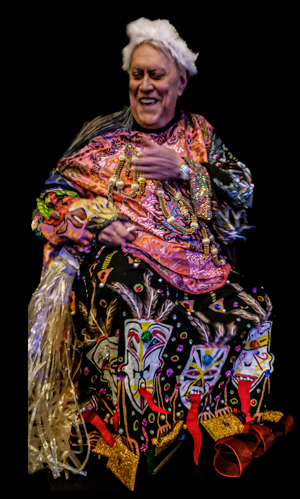
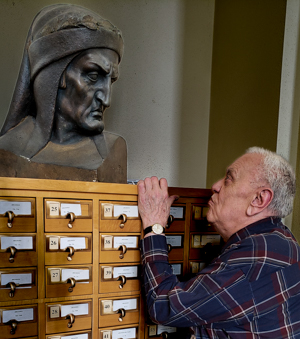
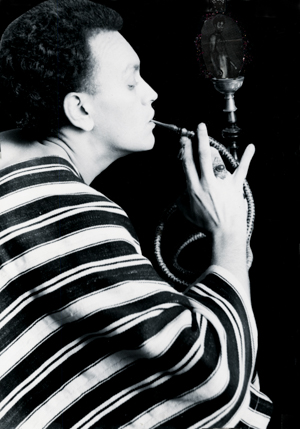
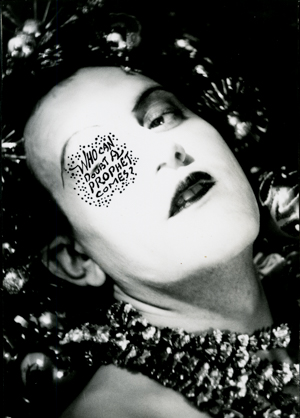
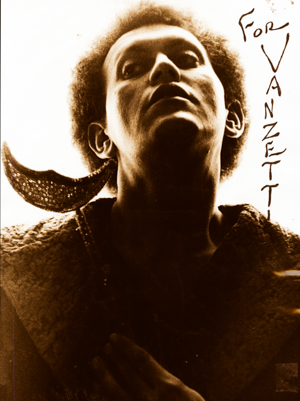
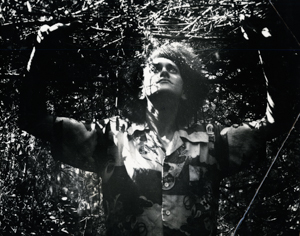
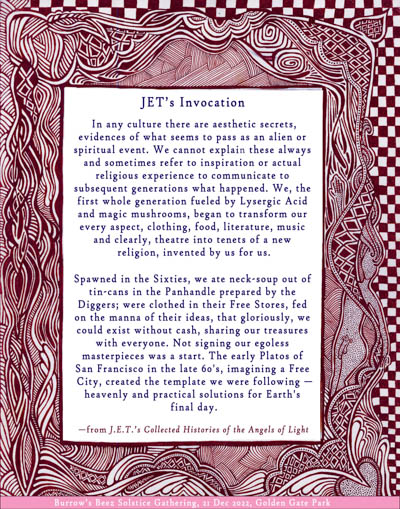
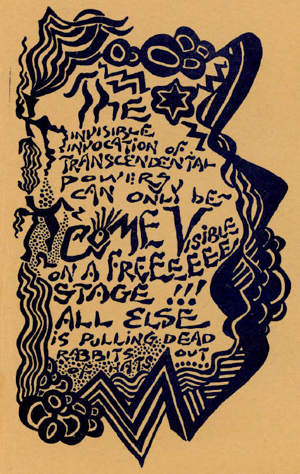
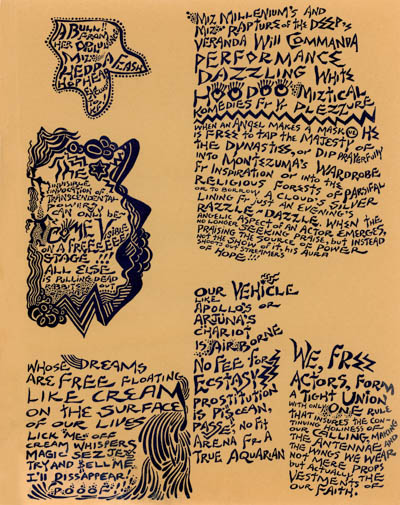
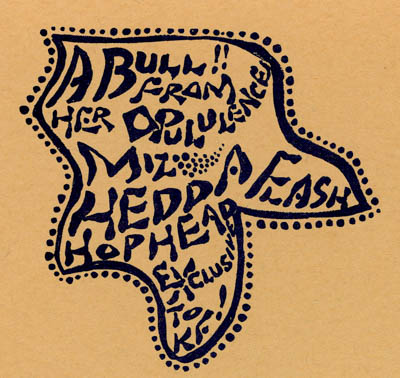
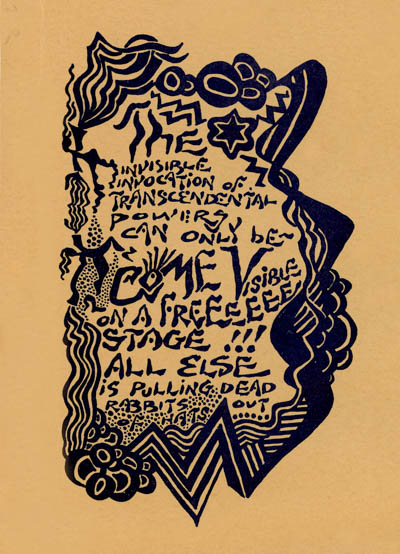
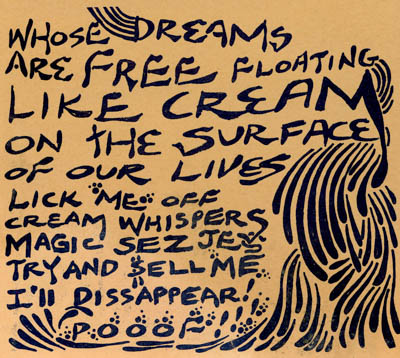
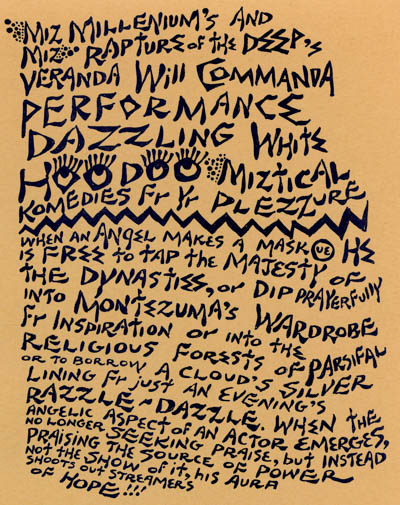
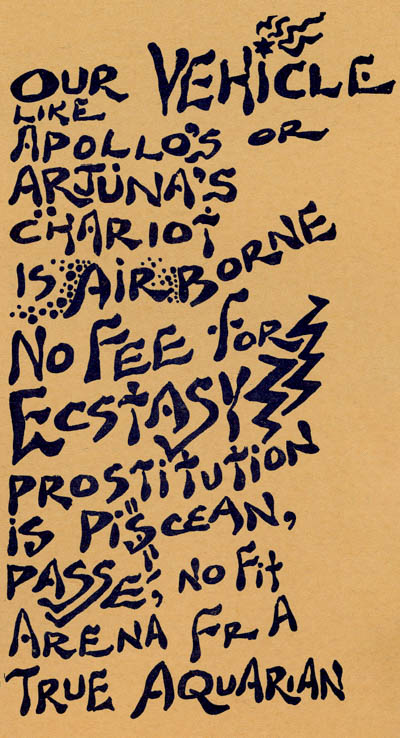
--400w.jpg)
--400w.jpg)
--400w.jpg)
--400w.jpg)
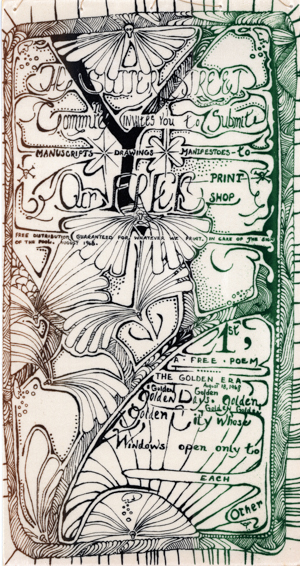
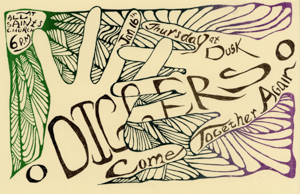
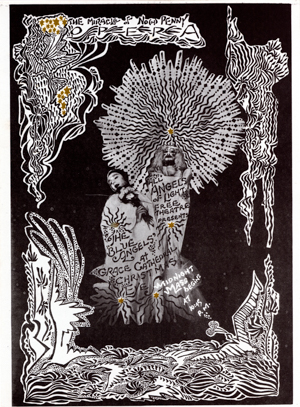
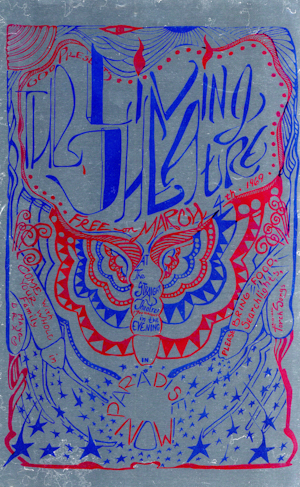
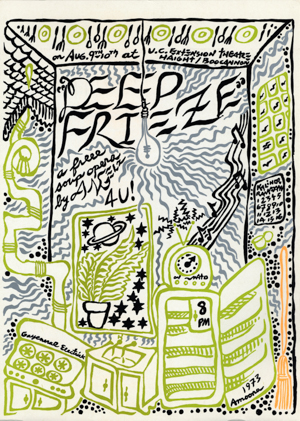
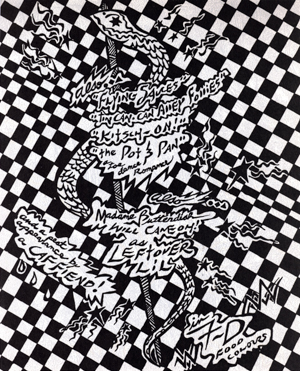
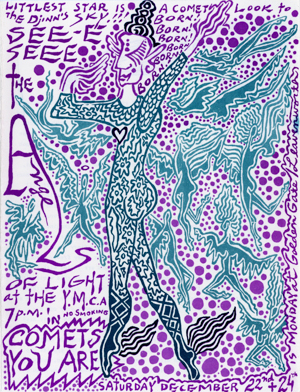
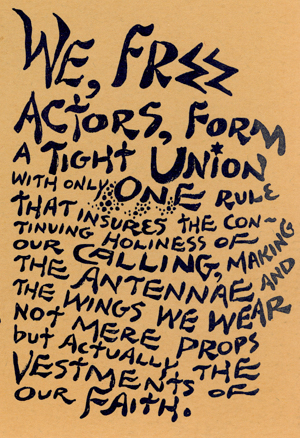
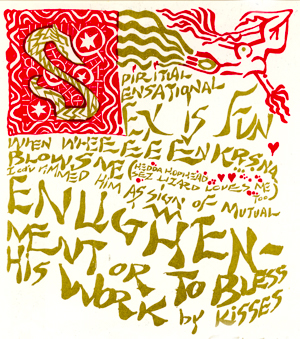
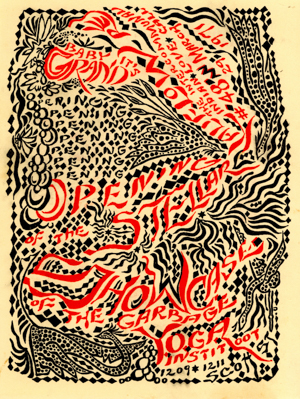
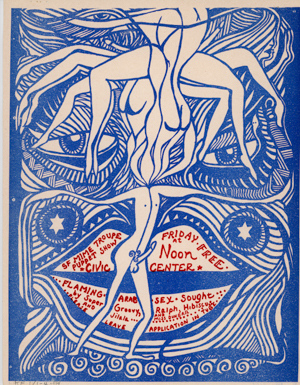
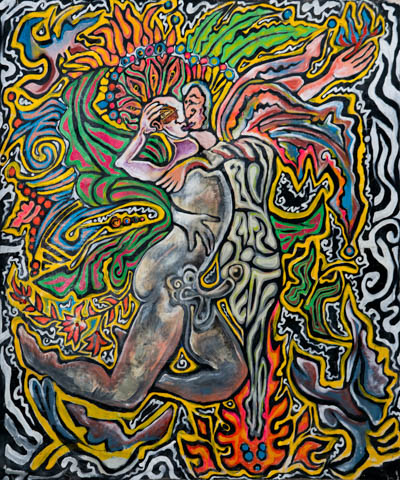
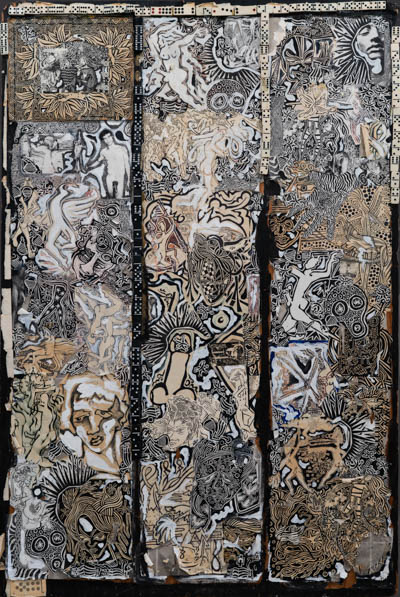
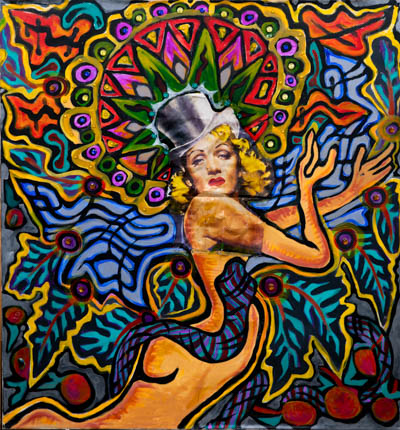
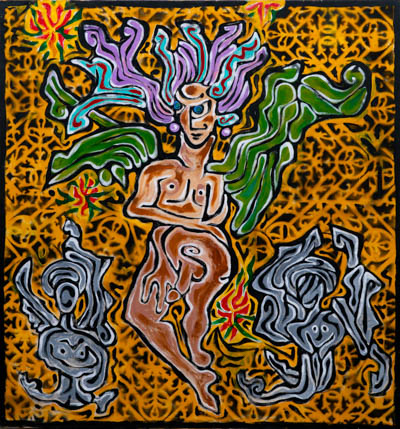
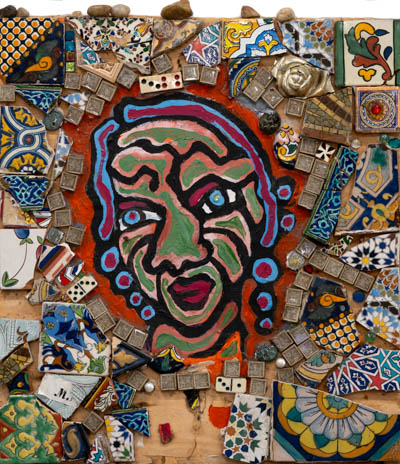
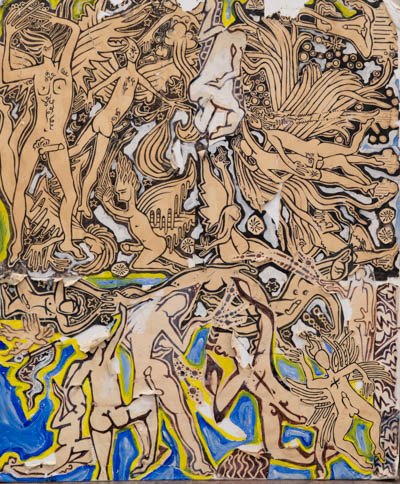
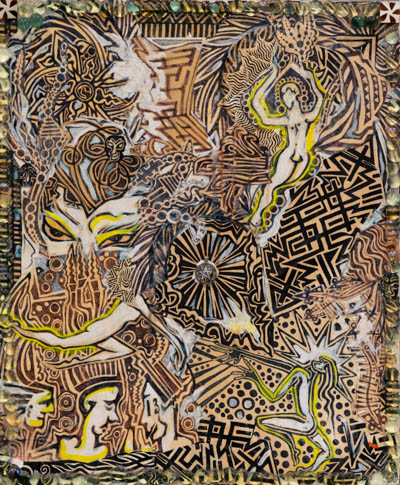
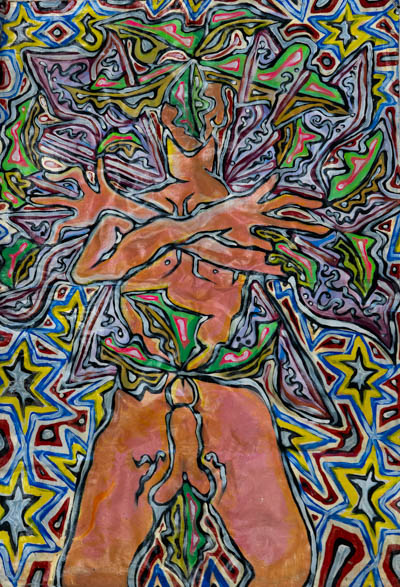
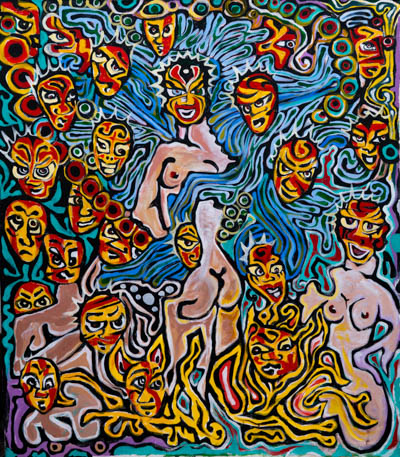
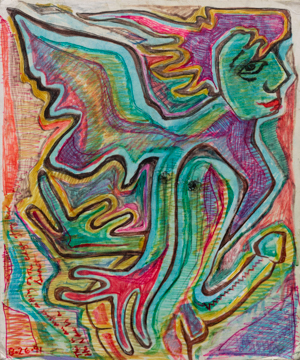
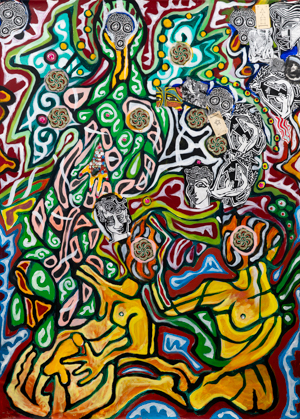
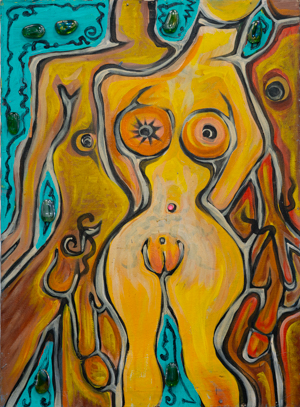
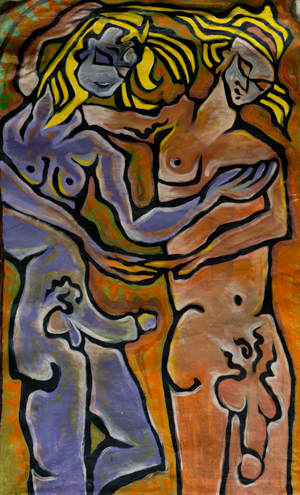
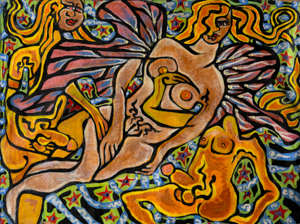
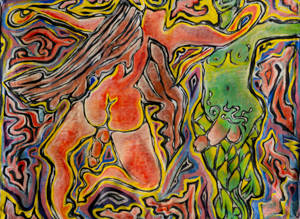

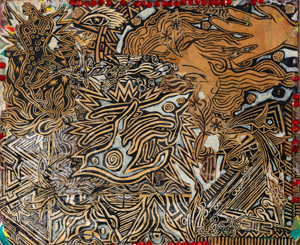
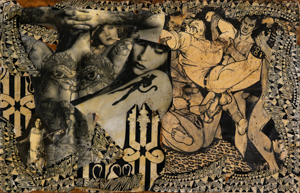
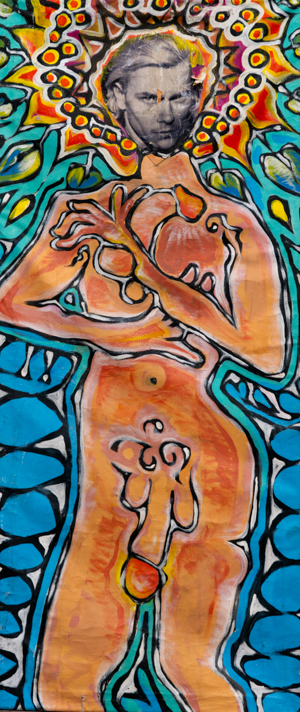
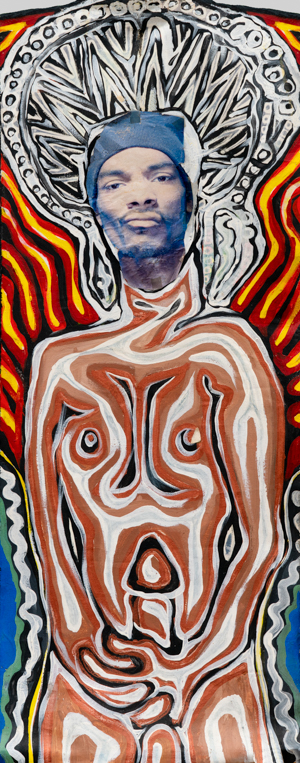
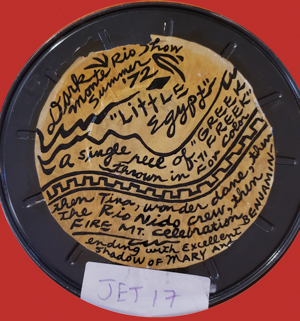
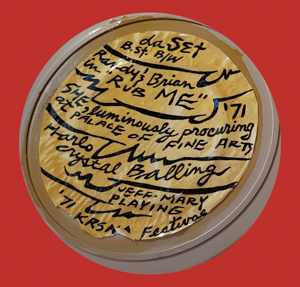
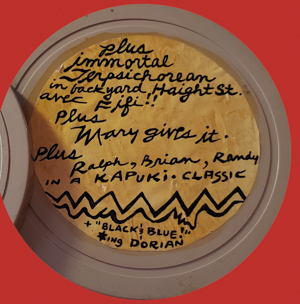
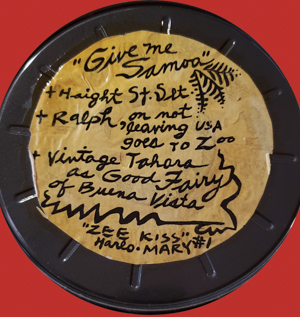
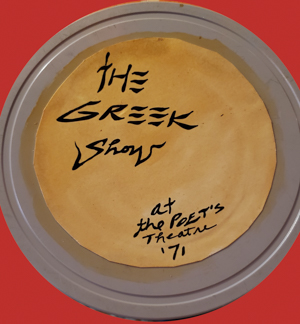
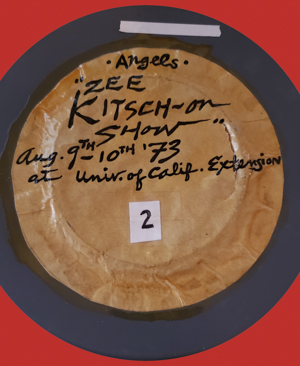
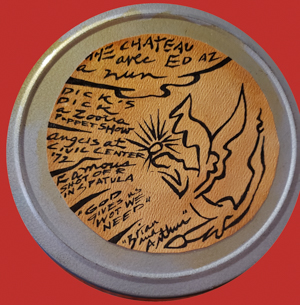
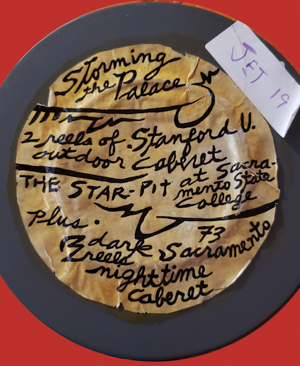
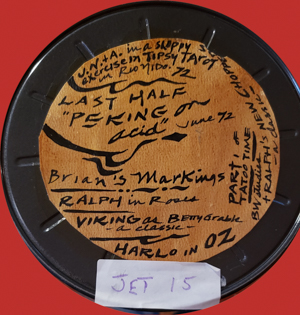
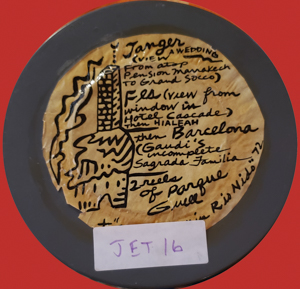
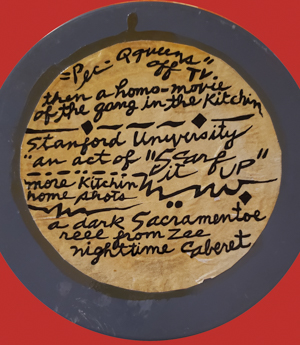
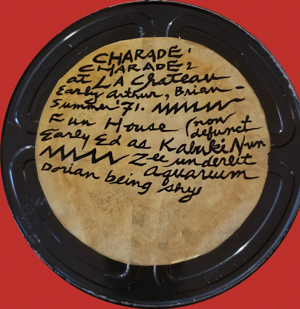

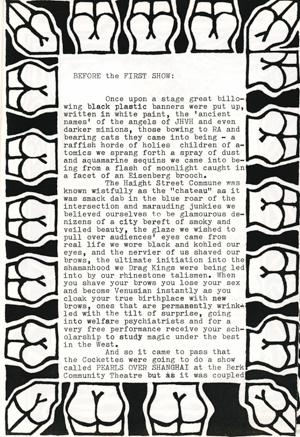
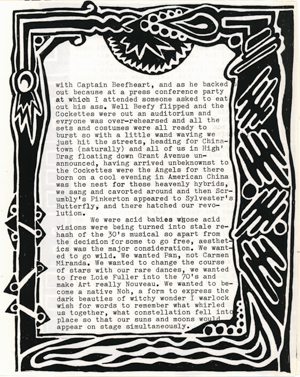
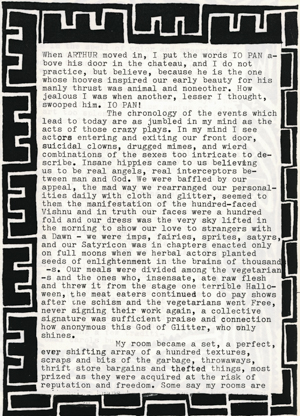
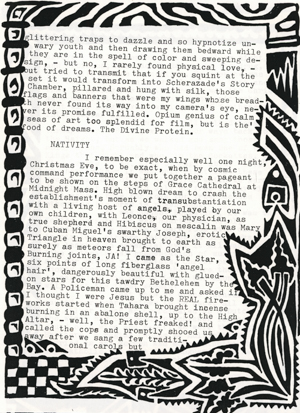
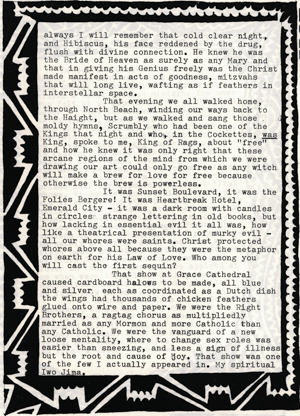
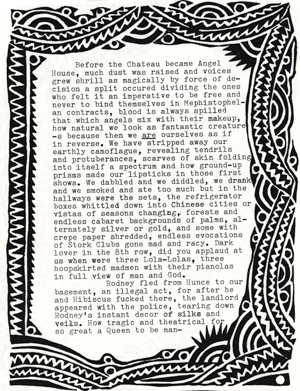
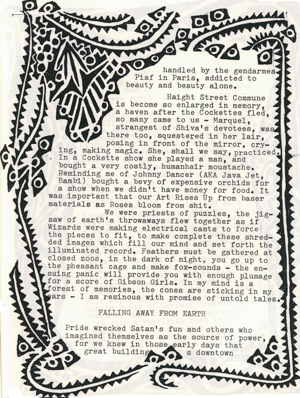
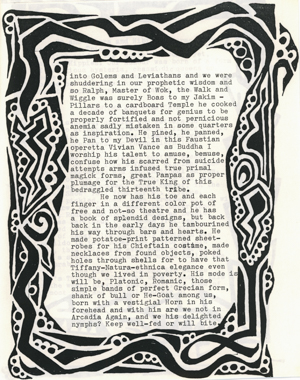

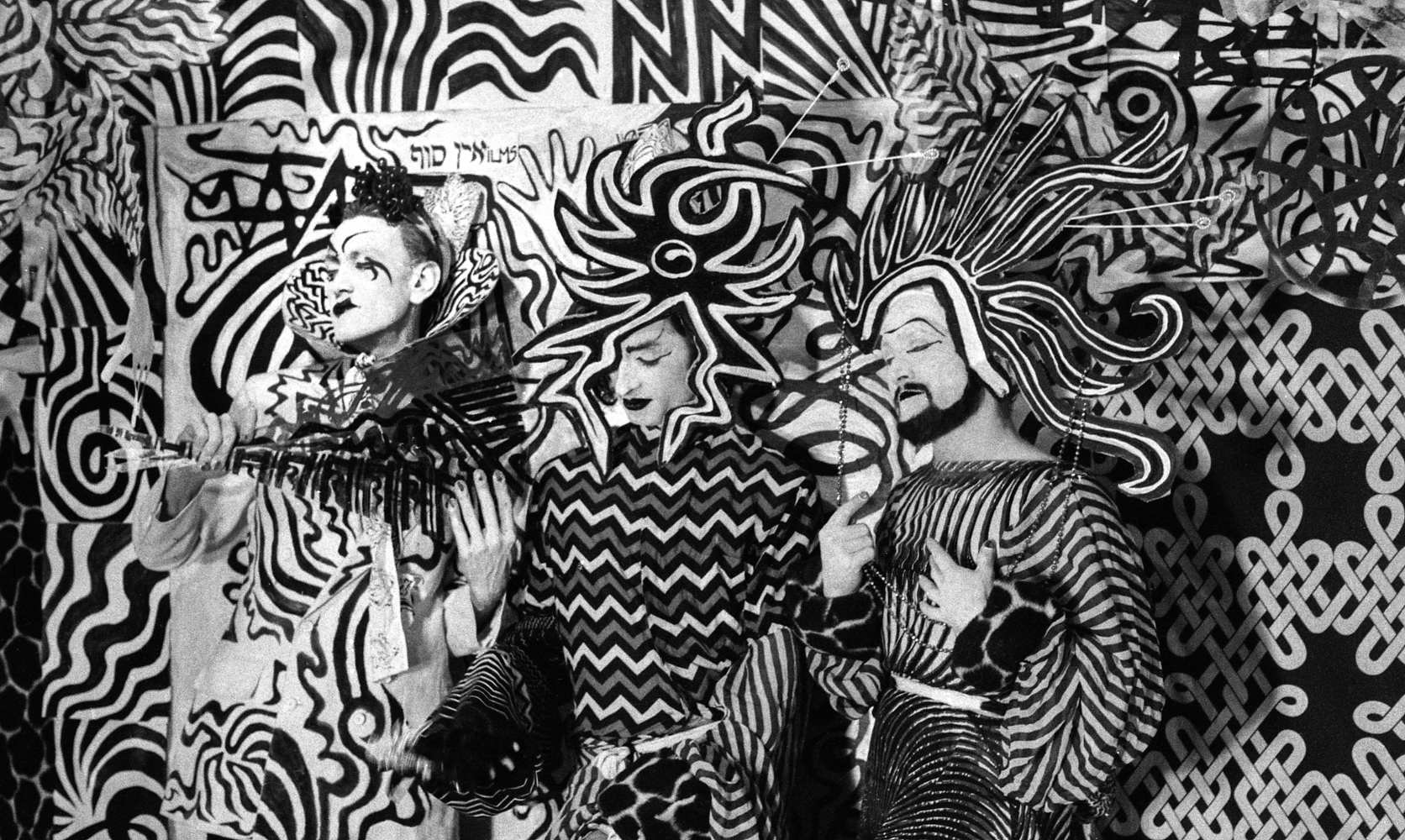
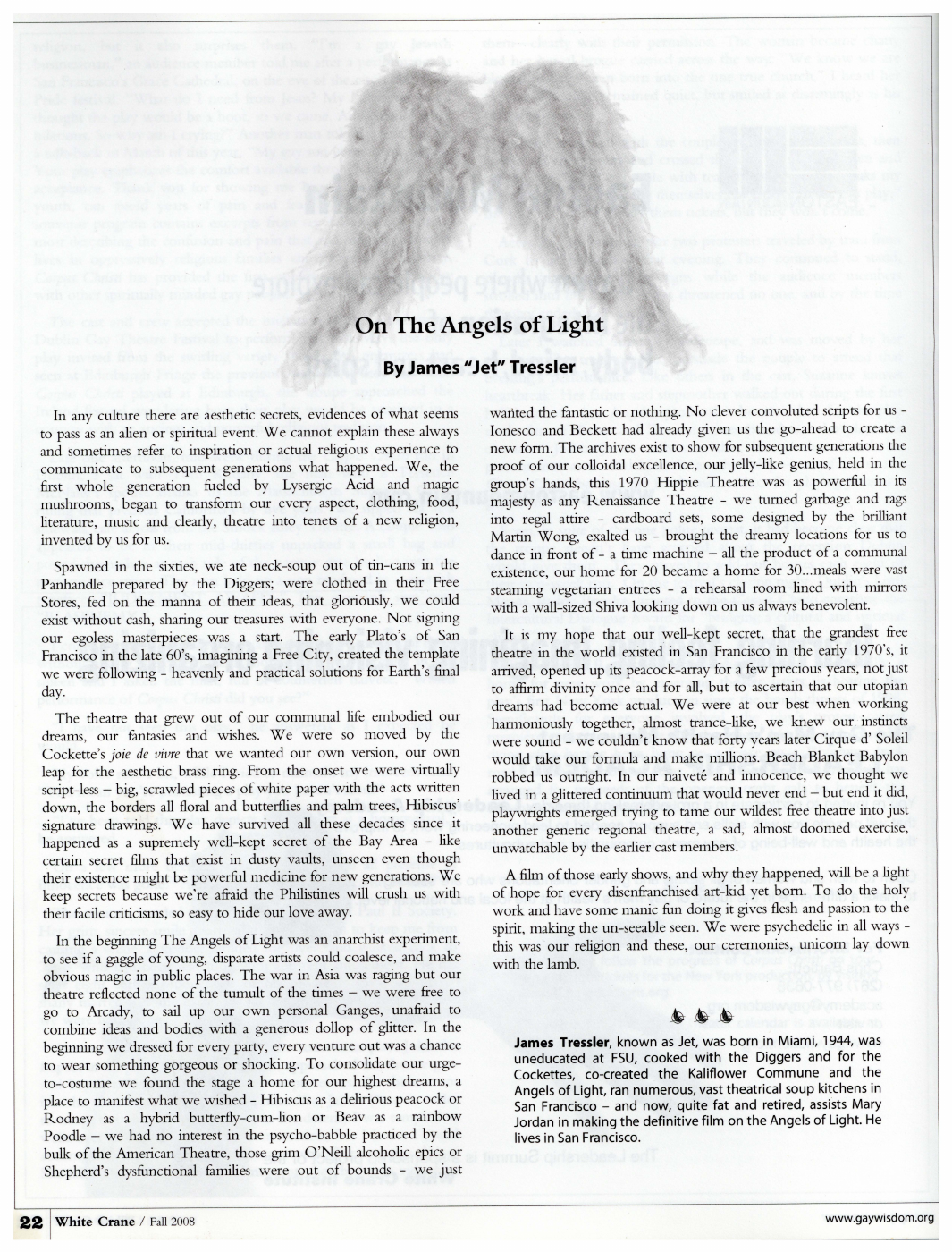
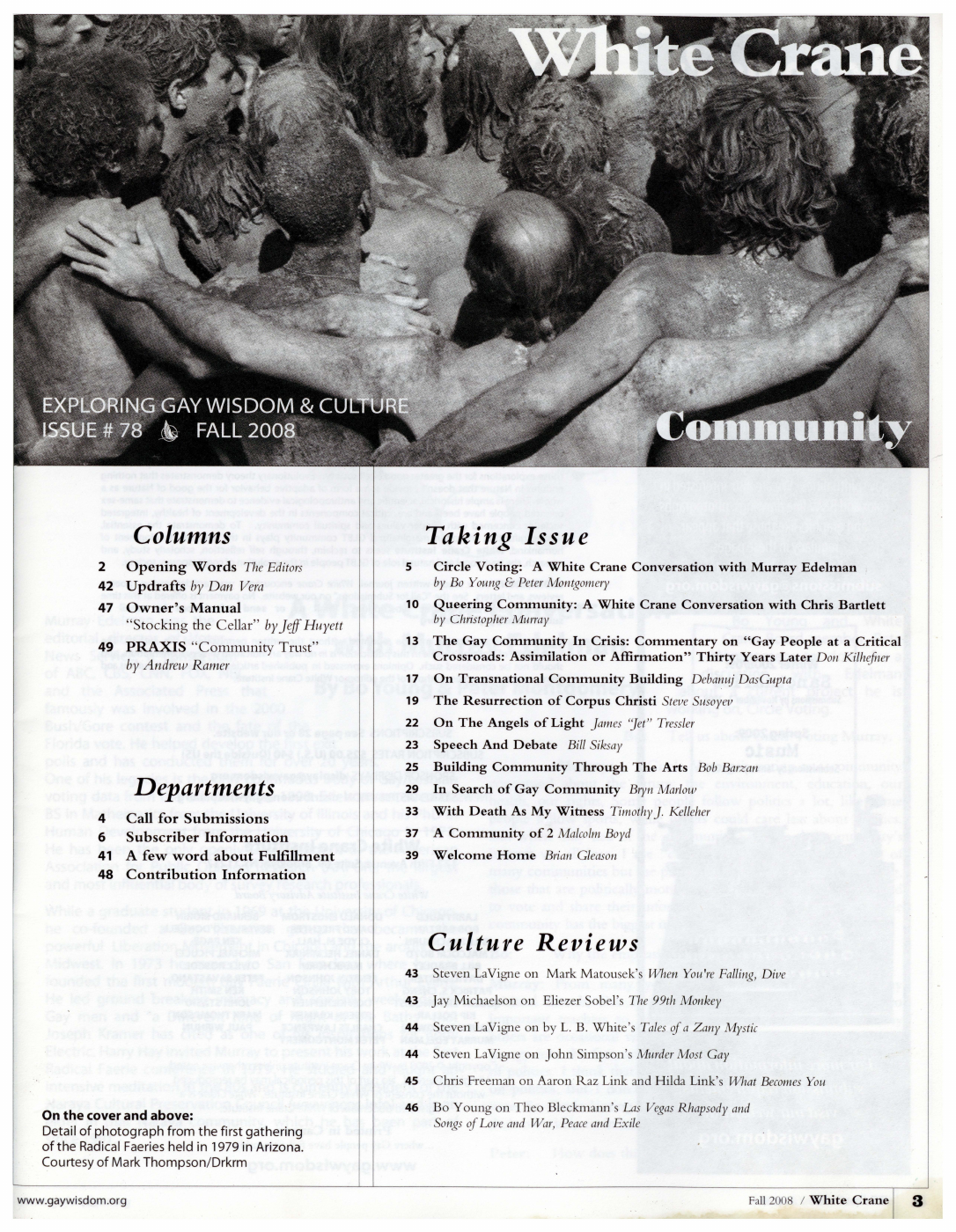
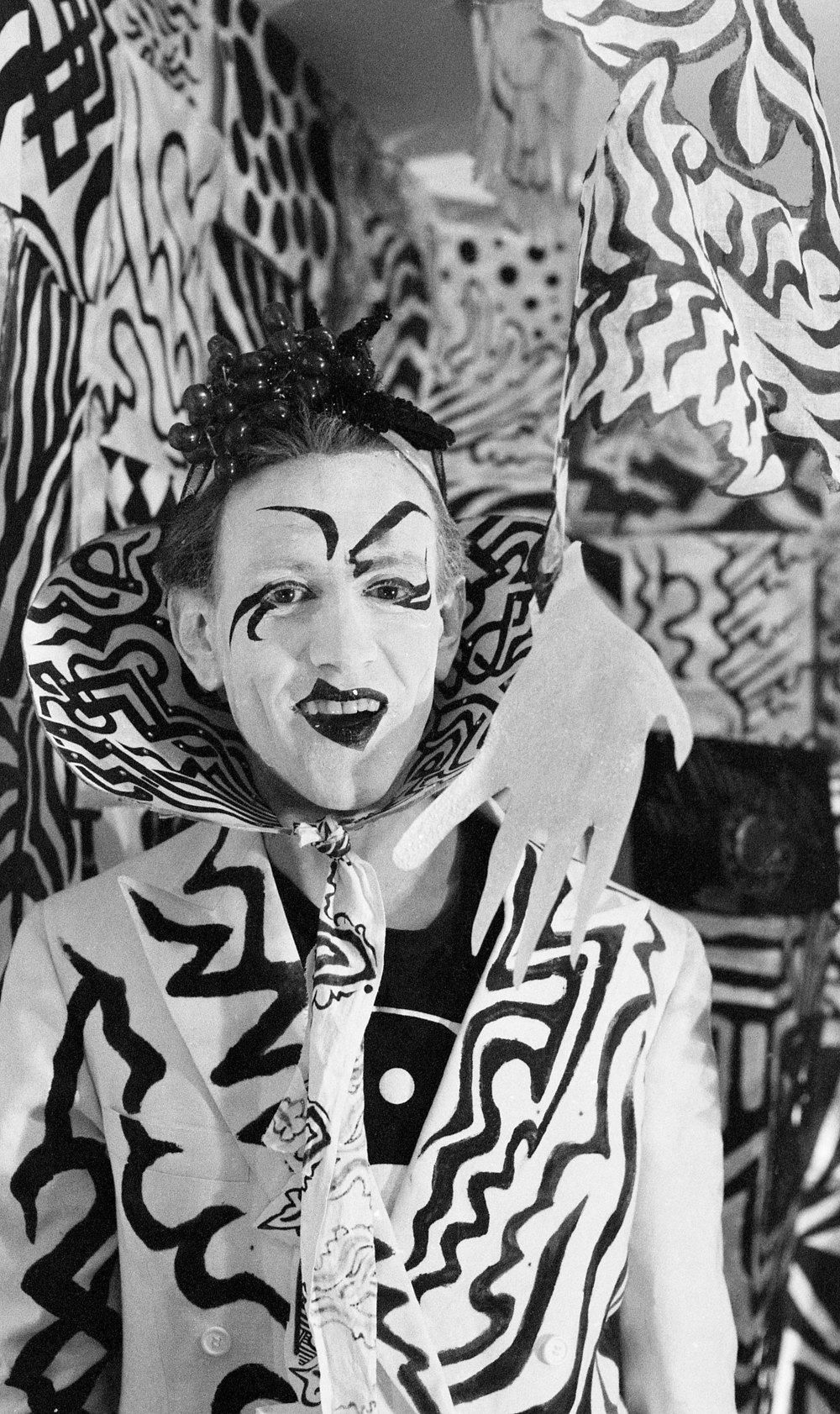
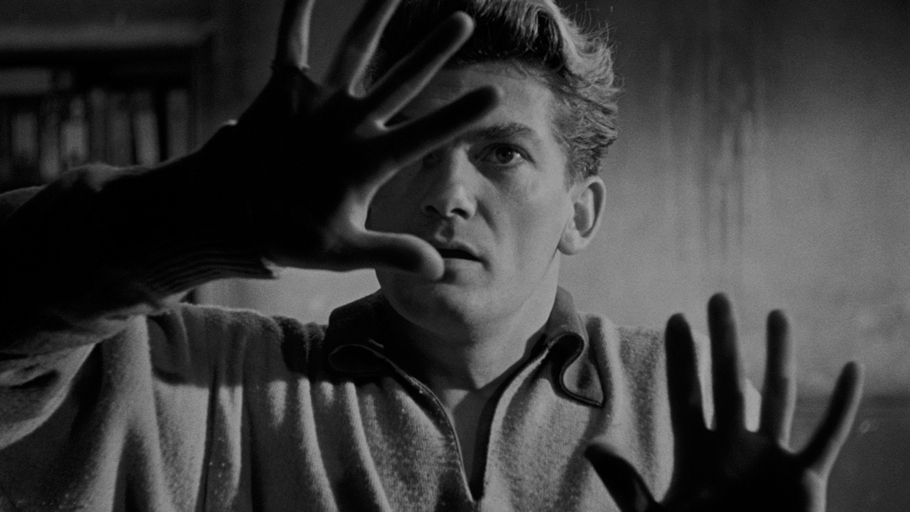
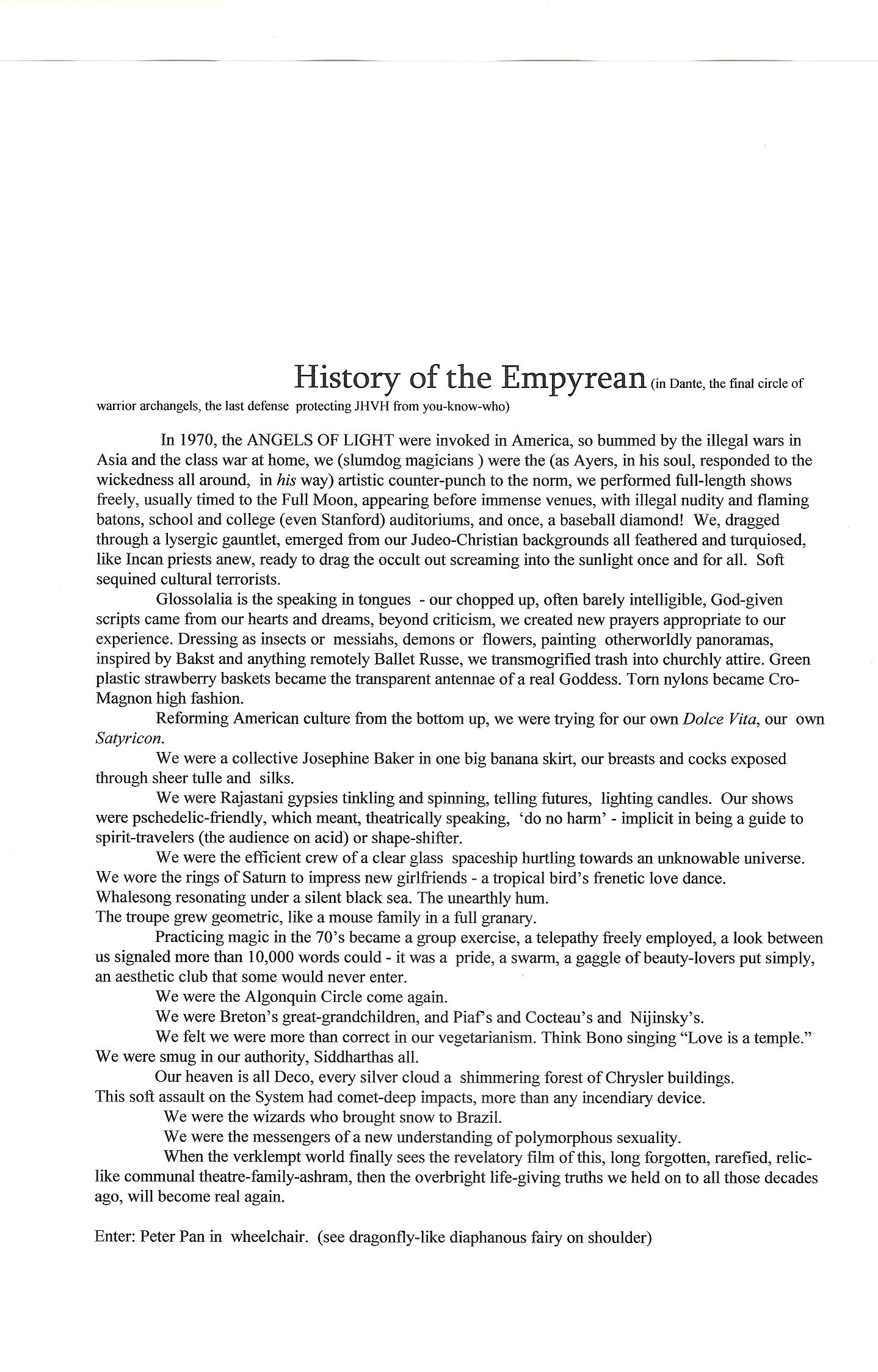
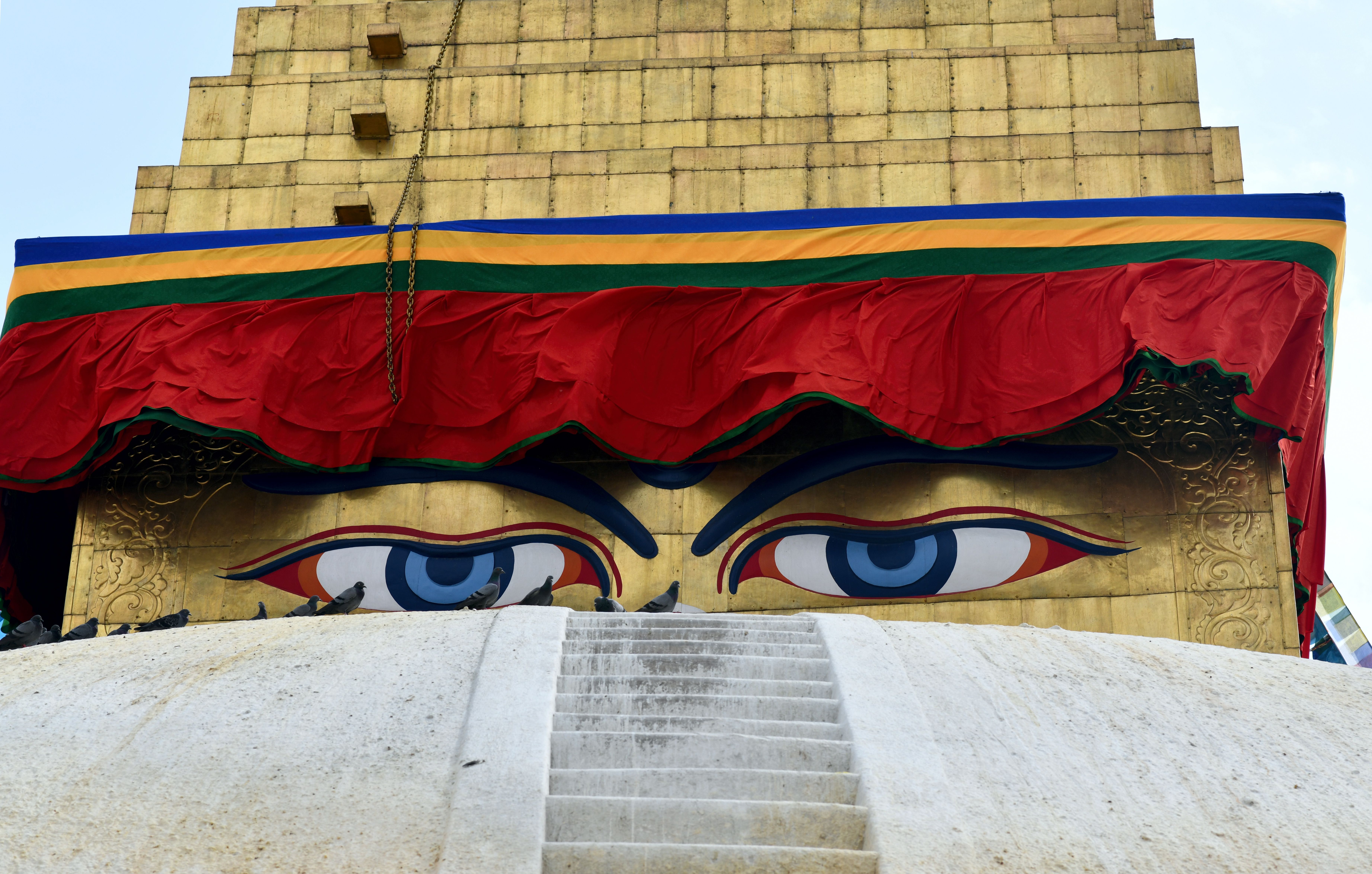
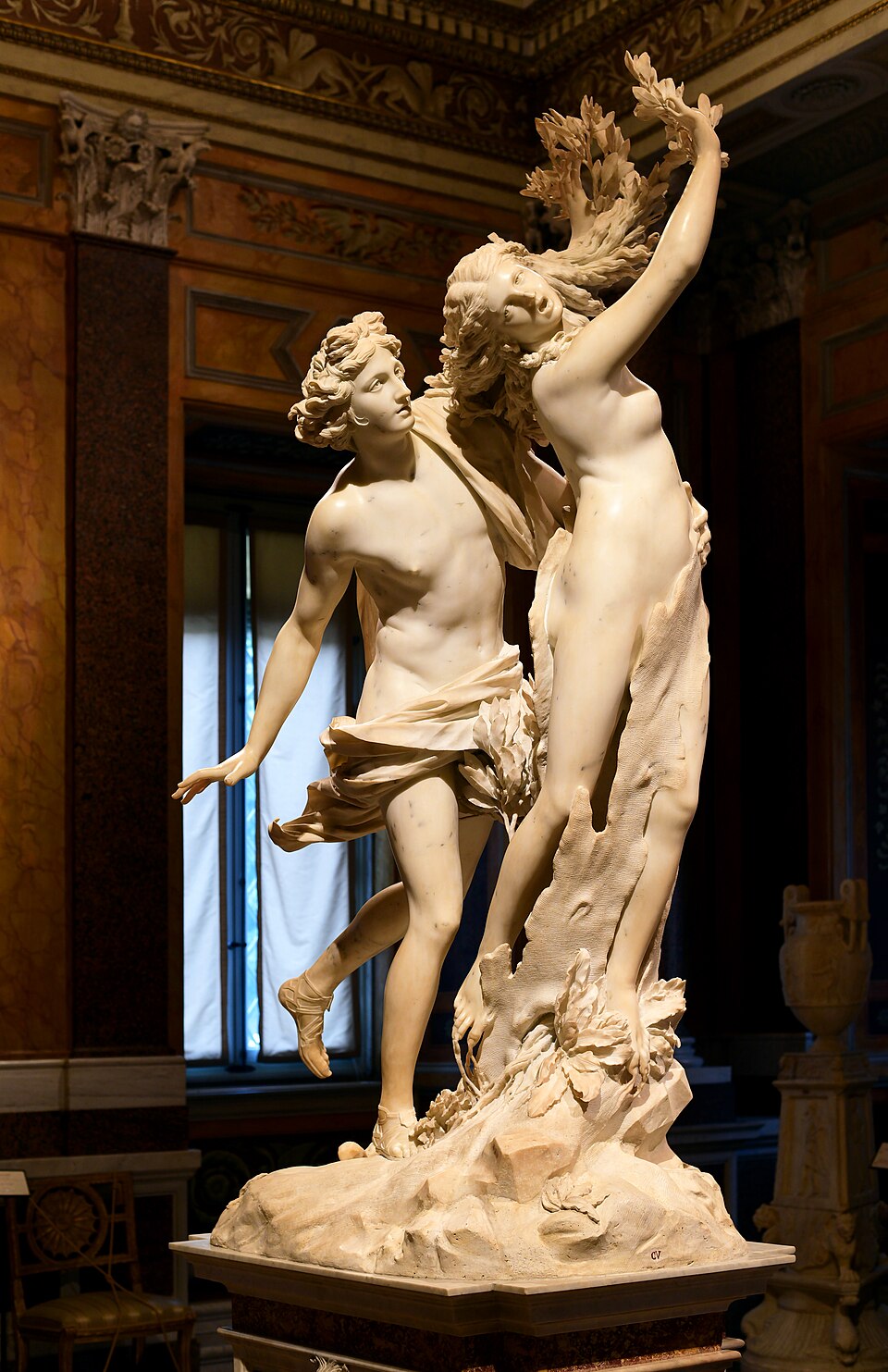

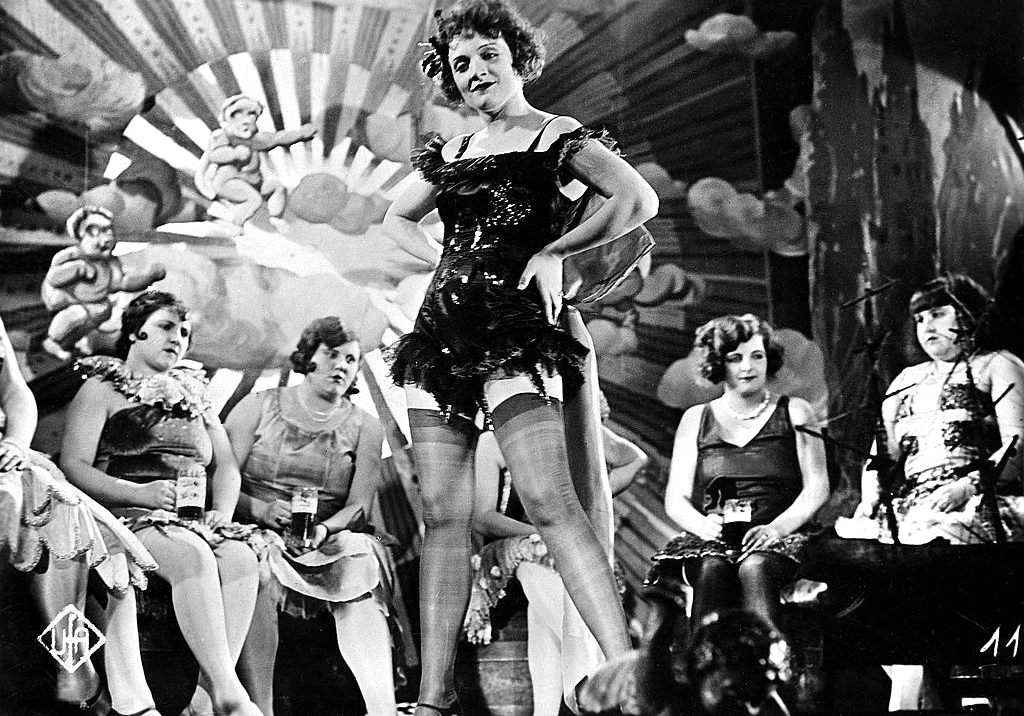
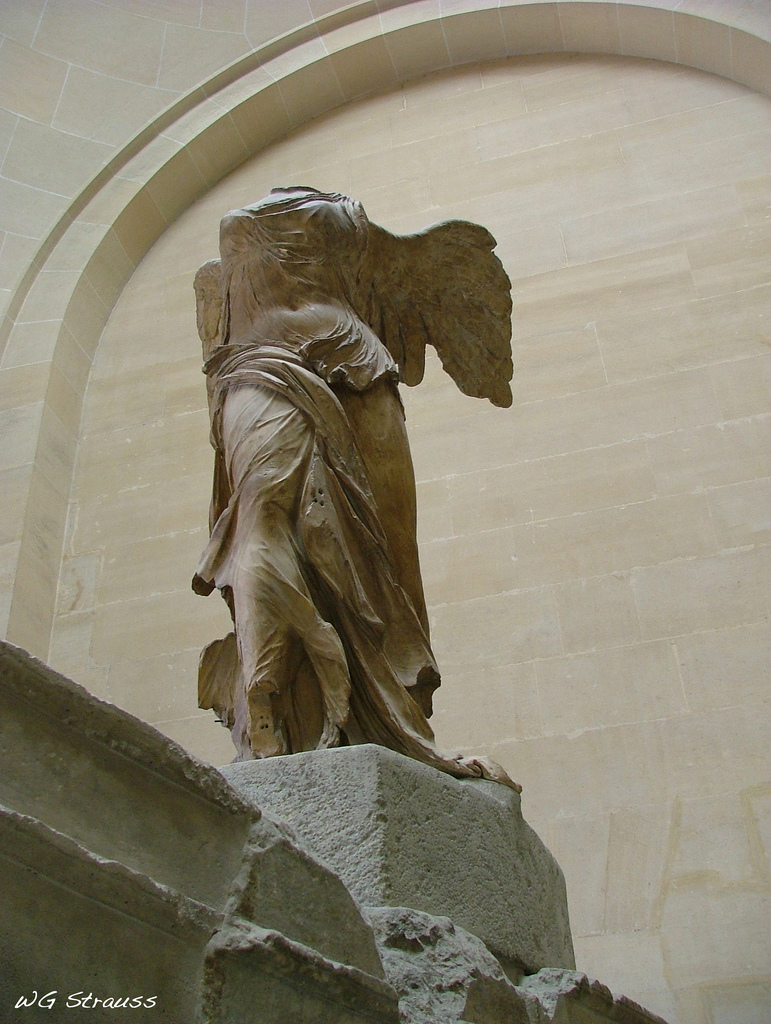
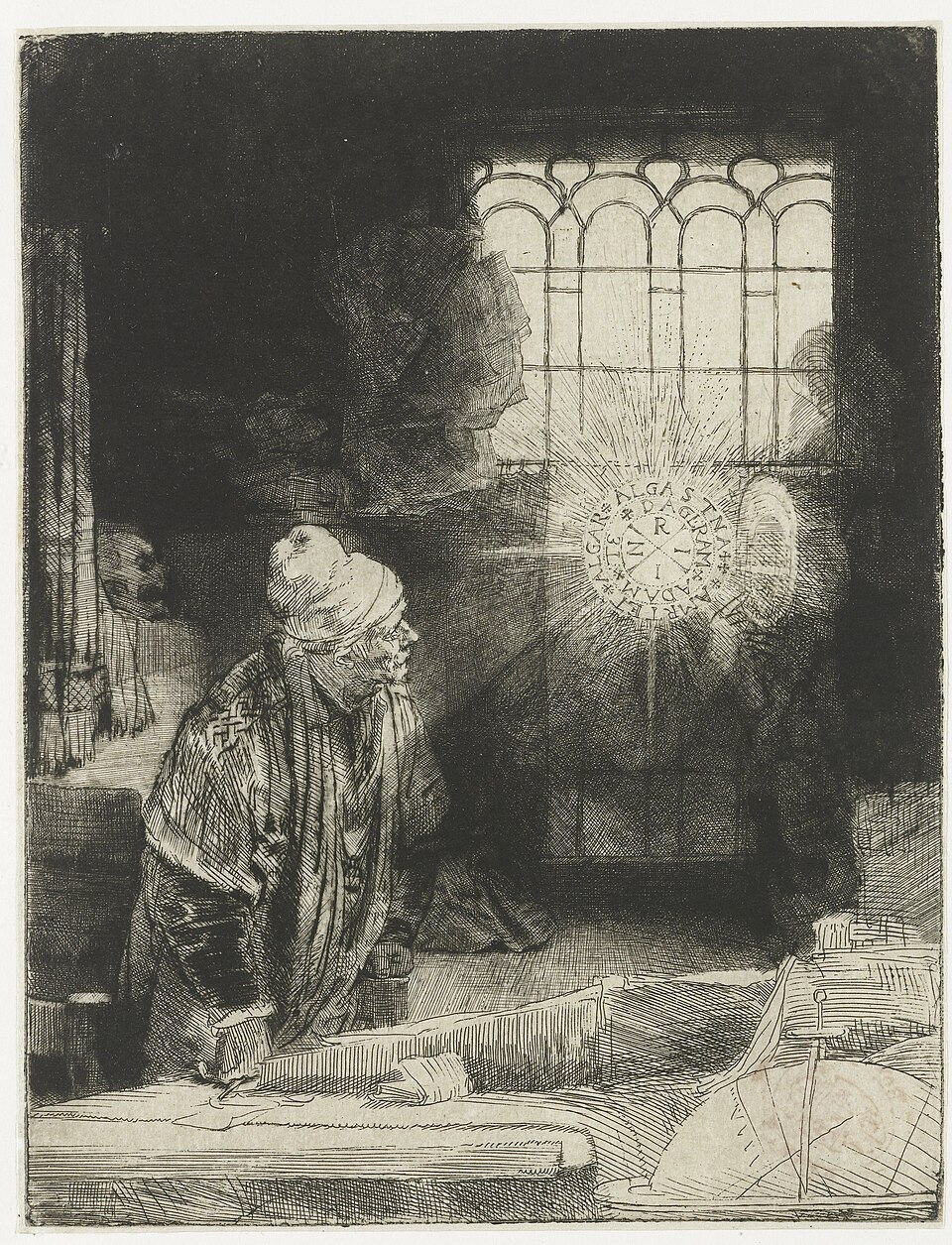
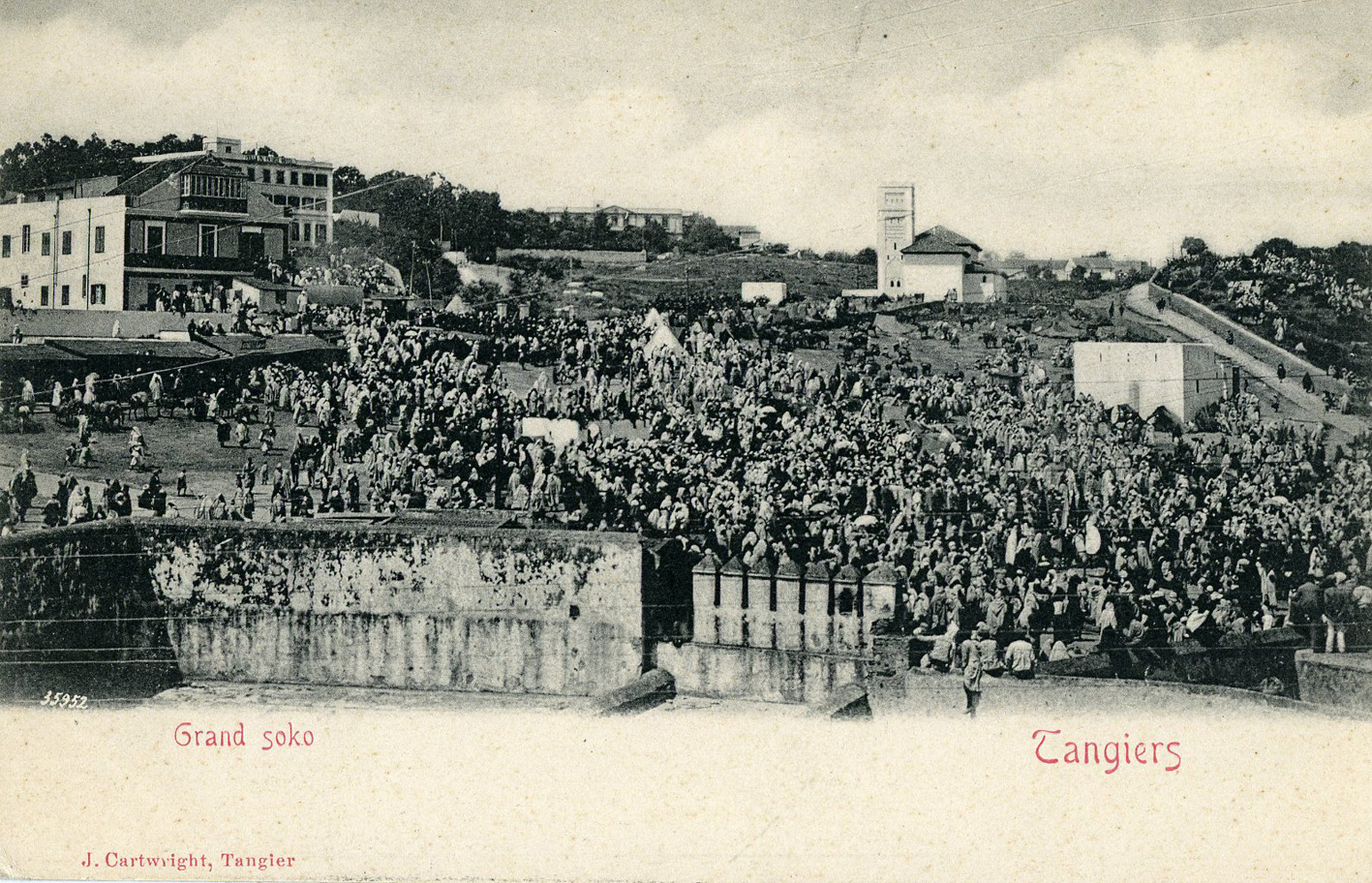
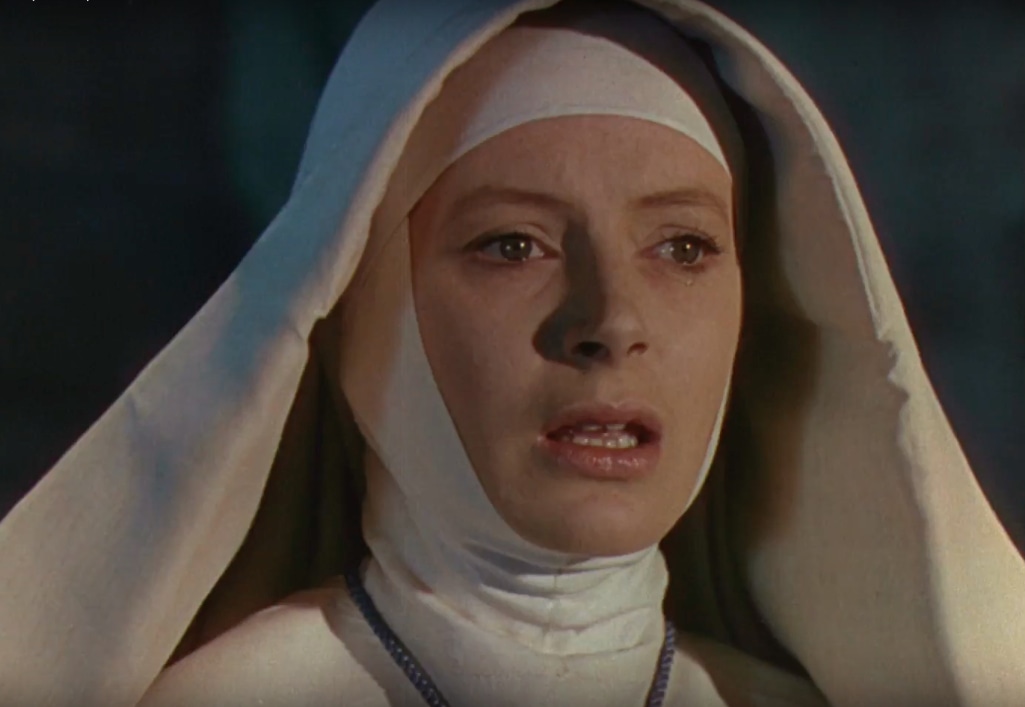
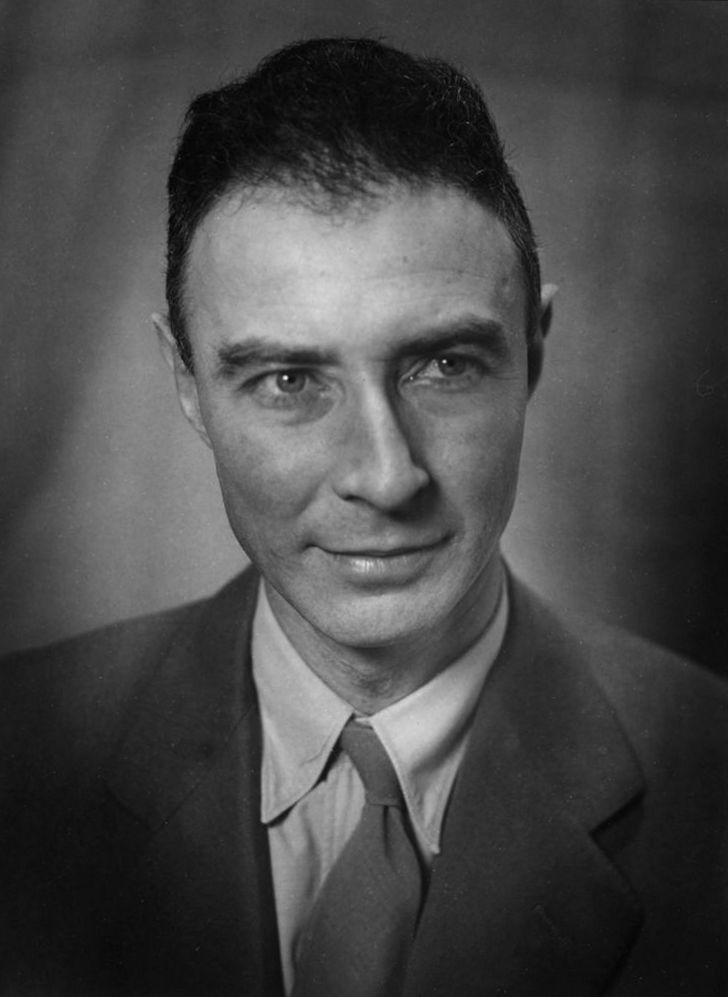

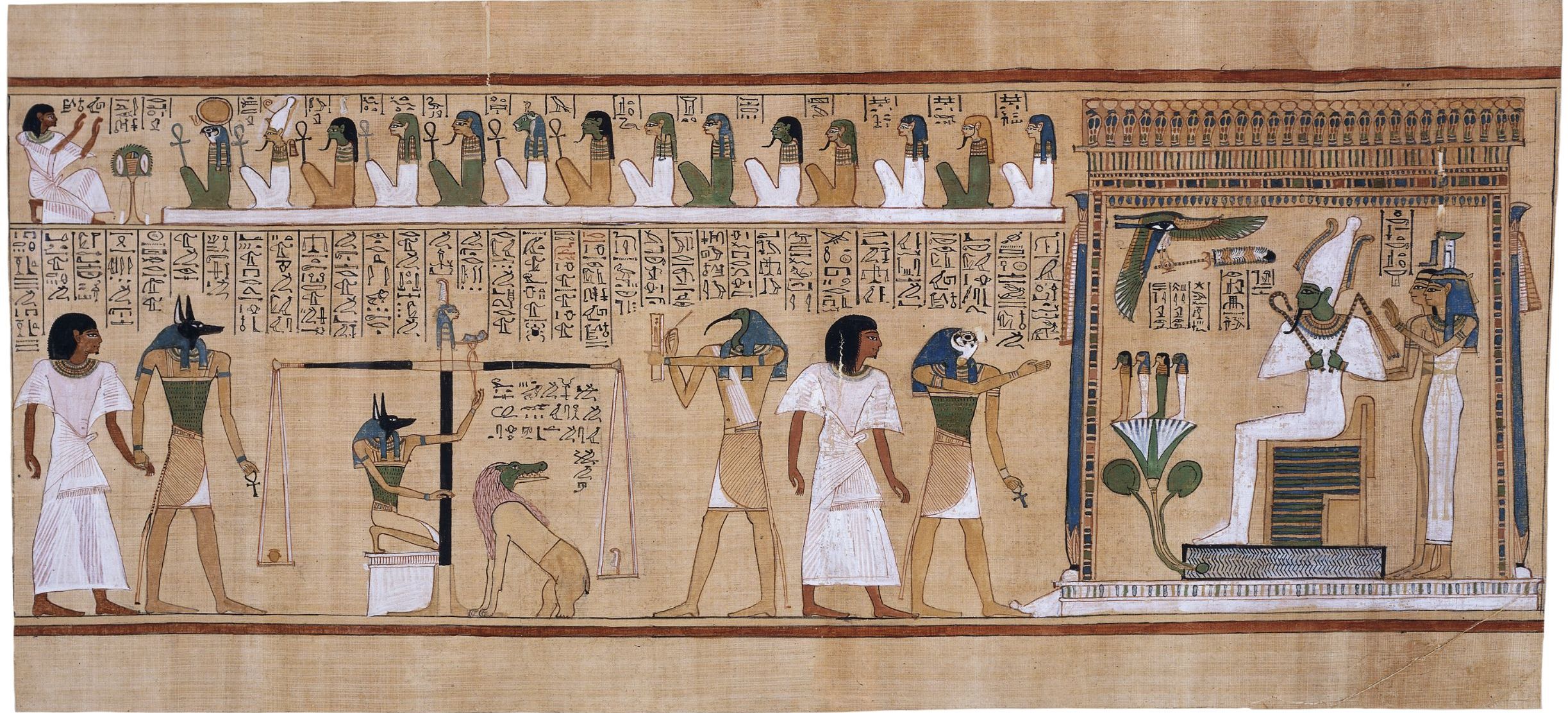

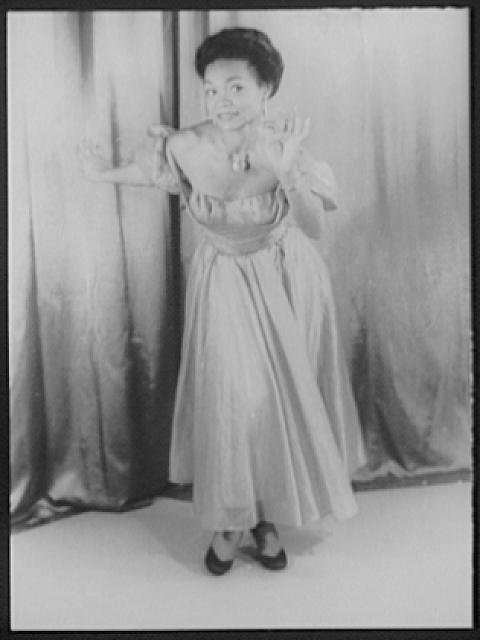
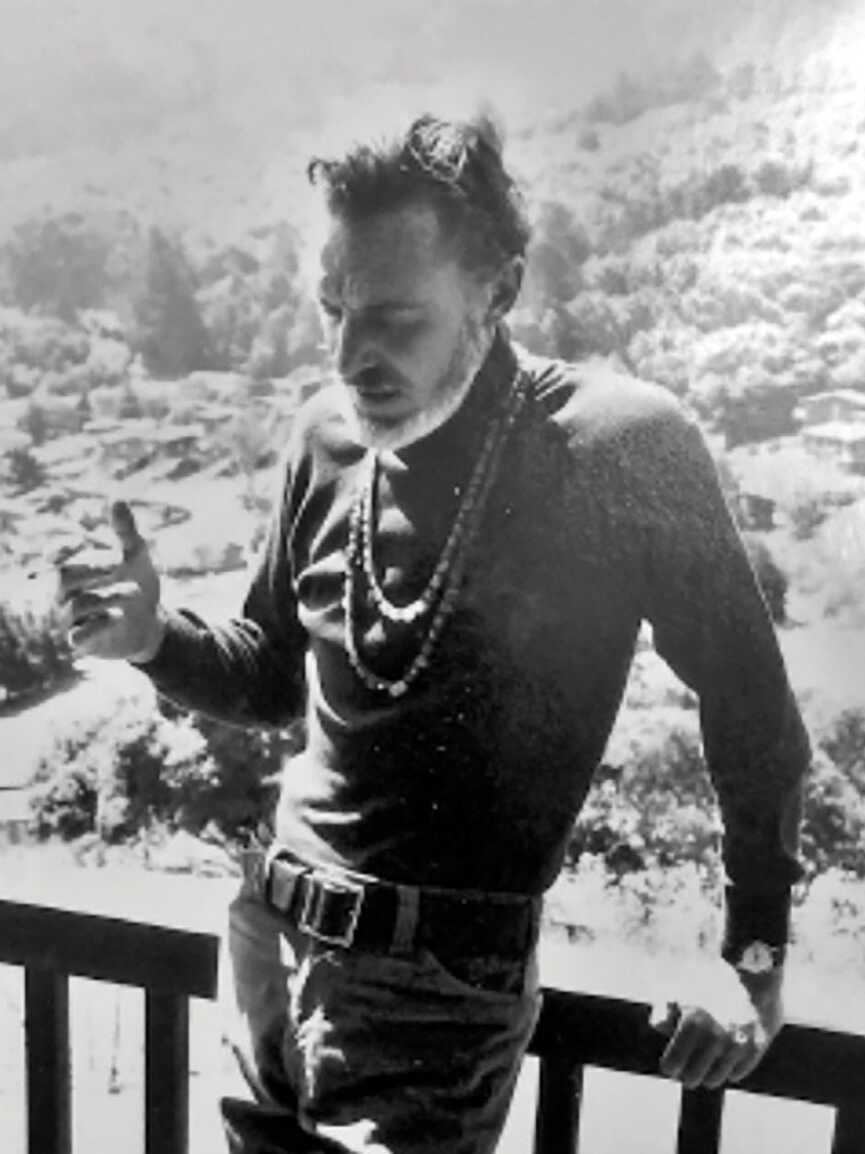
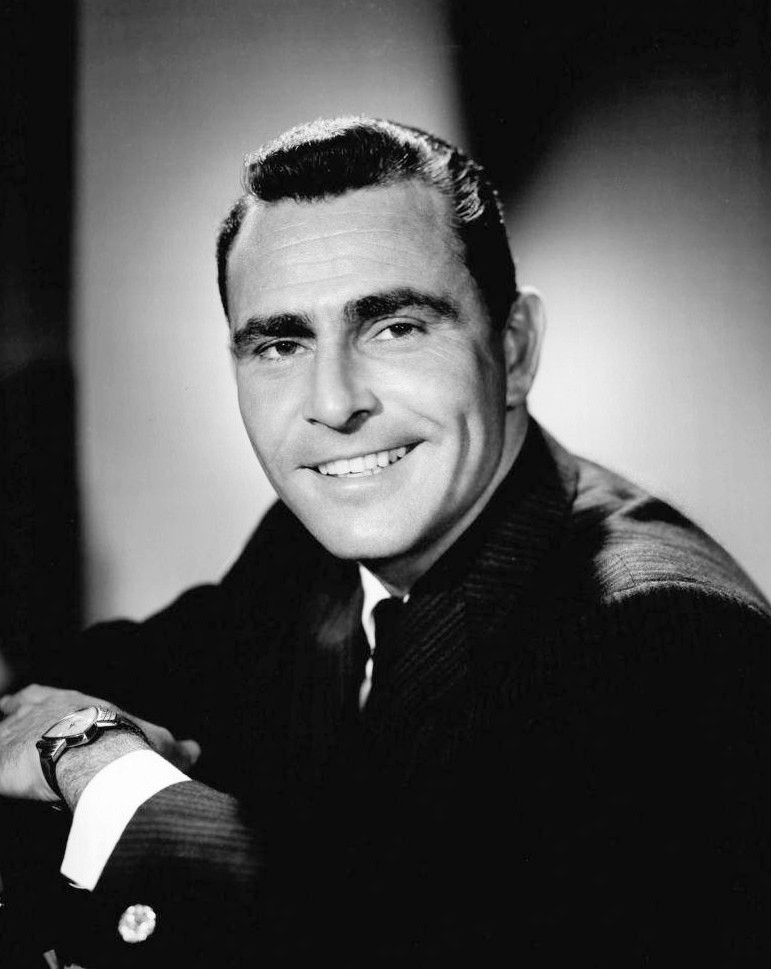
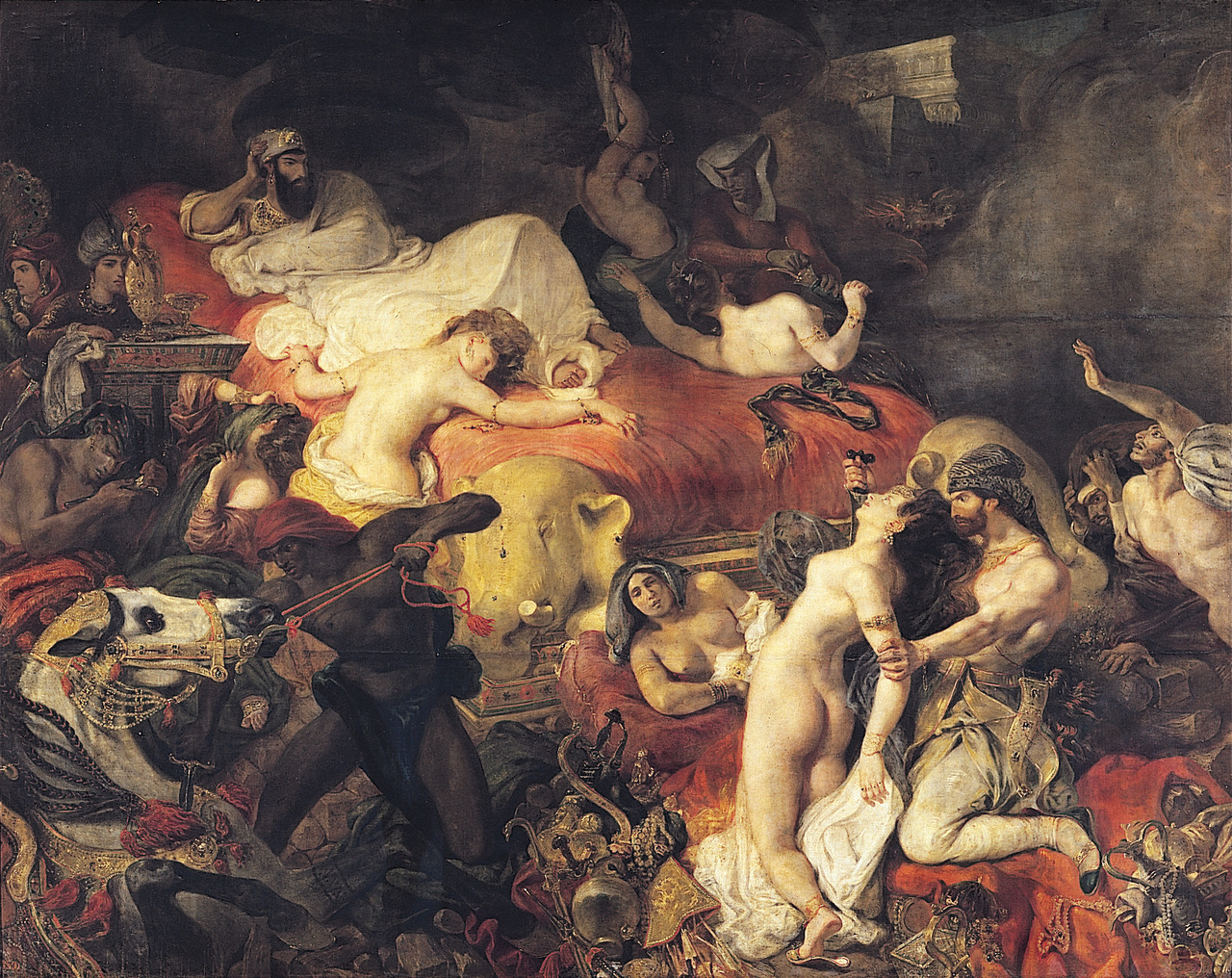

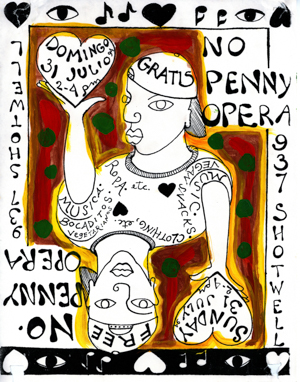
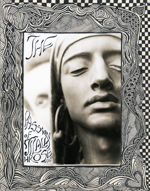
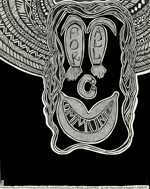
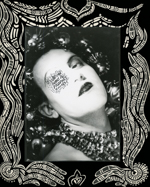
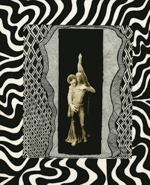
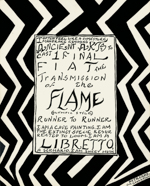
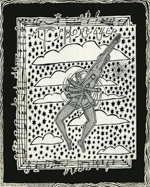
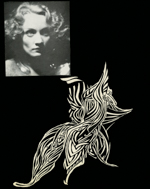
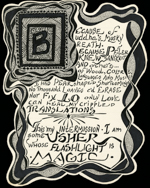
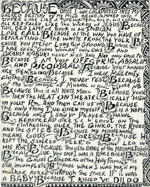
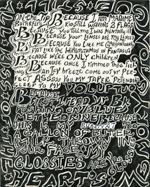
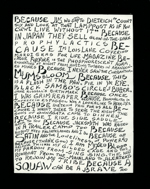
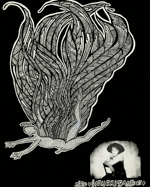
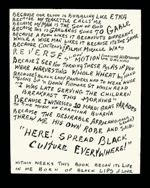
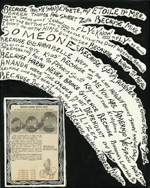
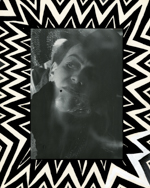
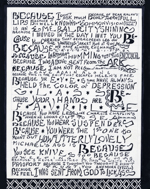
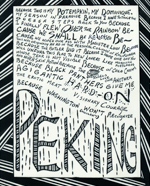
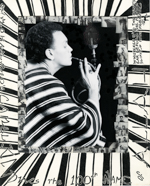
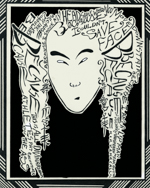
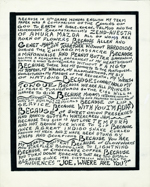
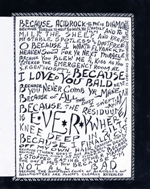
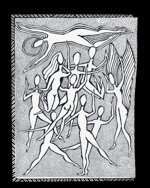
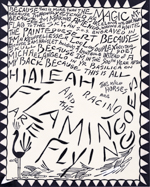
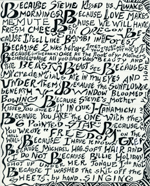
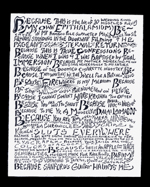
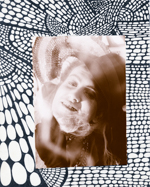
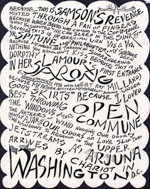
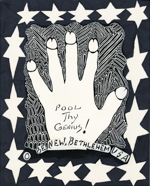
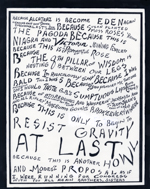
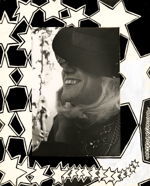
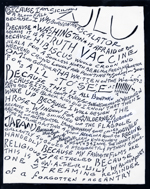
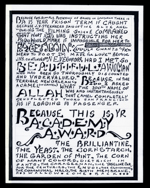
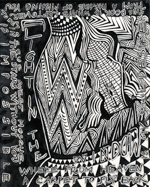
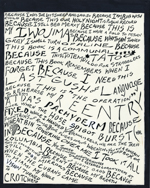
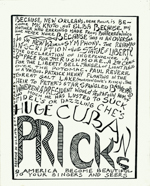
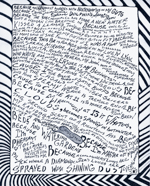
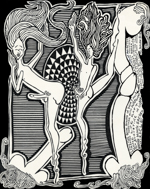
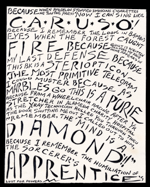
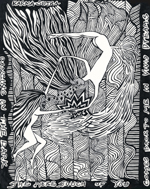
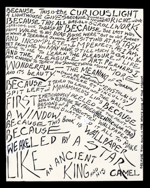
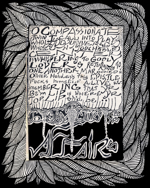
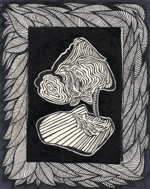
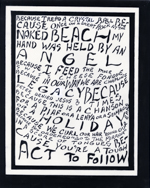
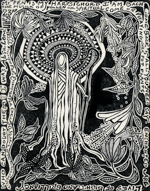
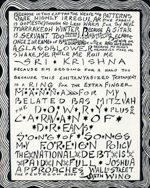
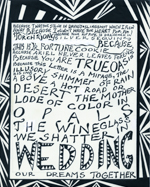
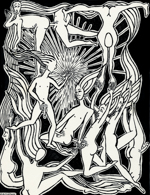
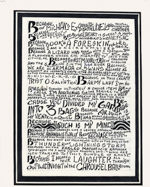
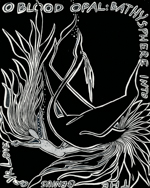
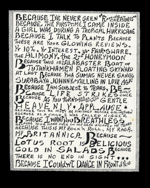
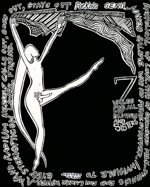
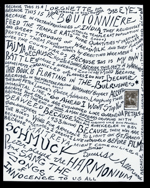
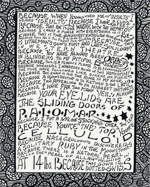
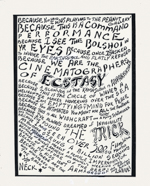
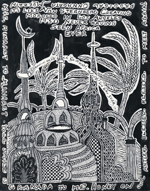
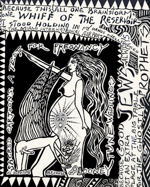
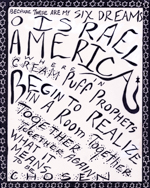
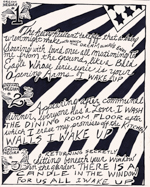
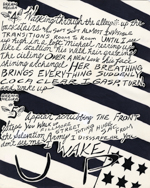
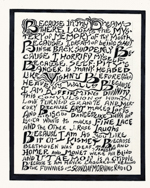
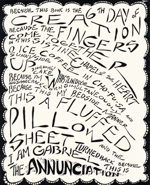
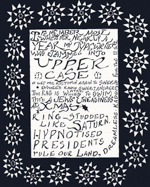
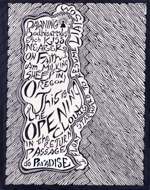
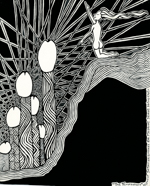
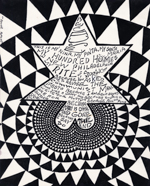
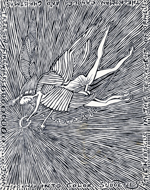
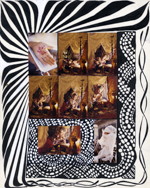

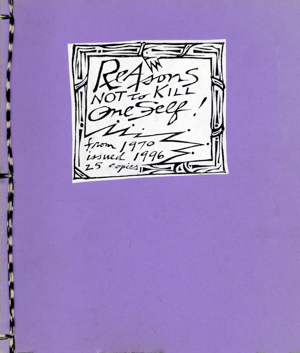
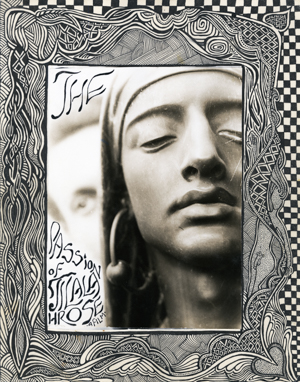
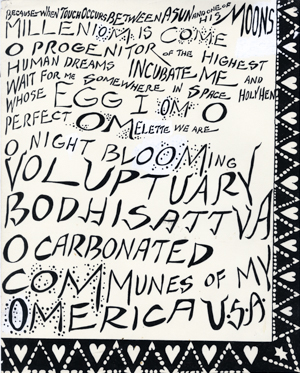
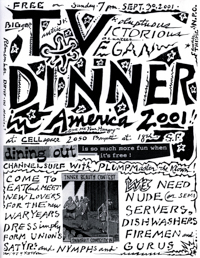
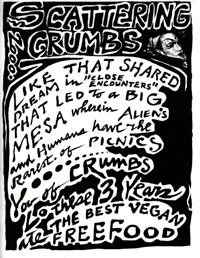
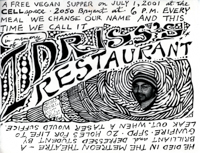
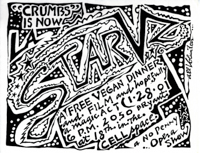
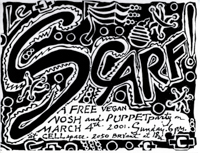

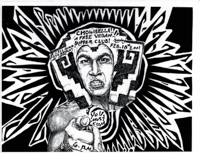
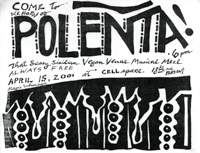
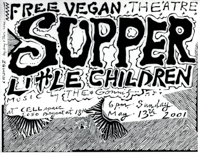
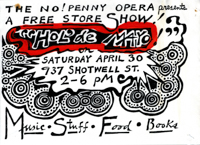
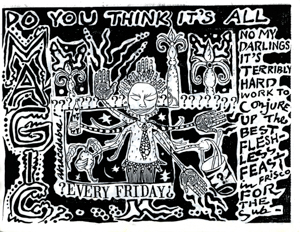
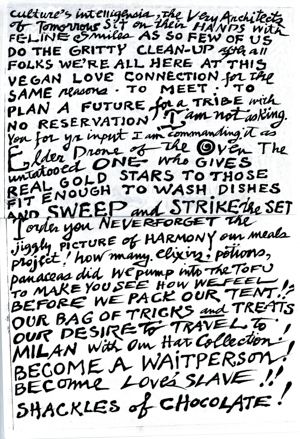
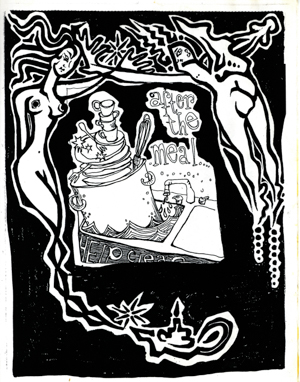

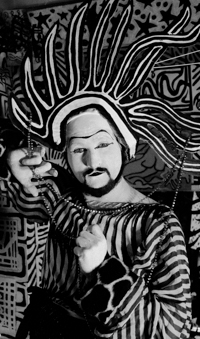
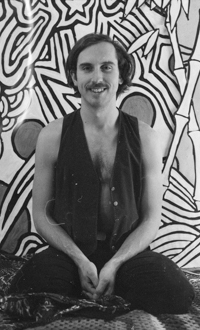
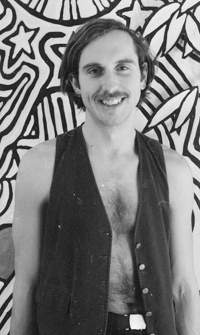
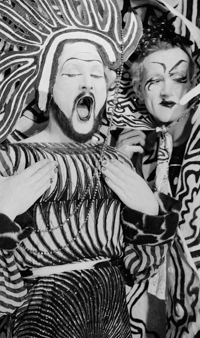
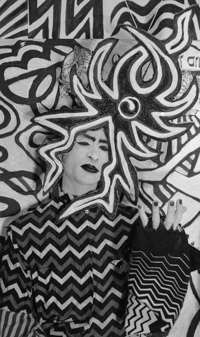
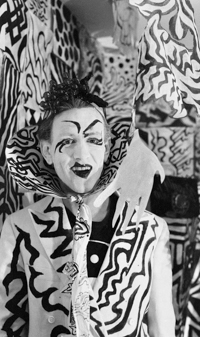

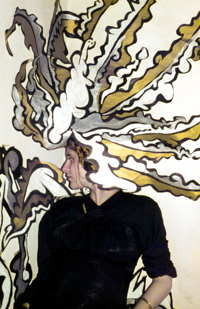
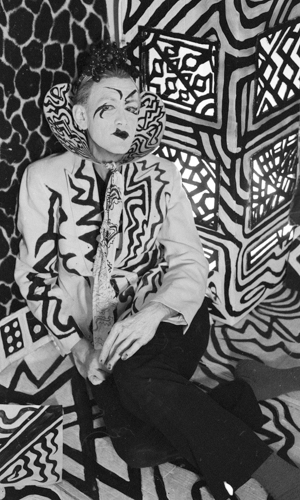
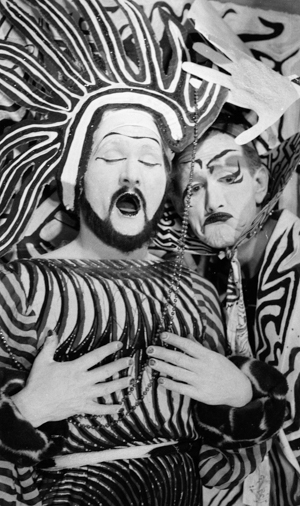
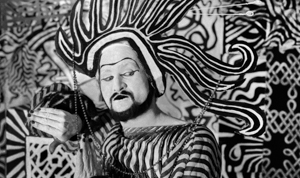
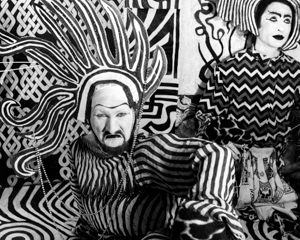
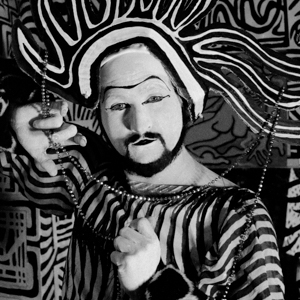
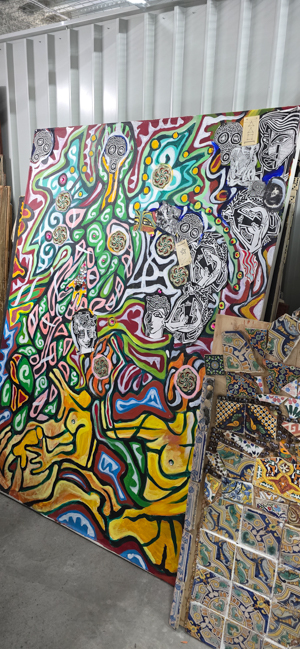
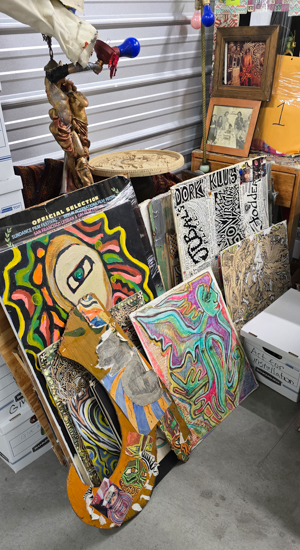
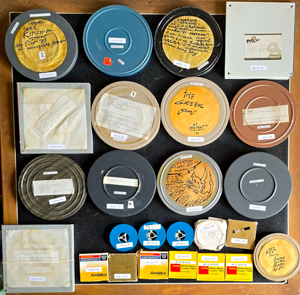
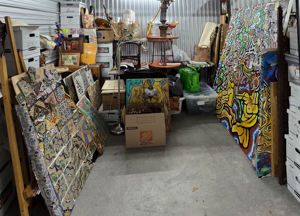
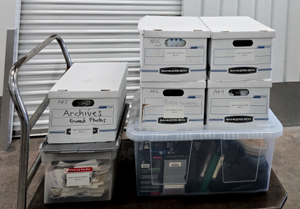



.jpg)


%20(cropped).jpg)


